





Choose Heavy Haulers Because We Set the Standard
Insulation Transport/Shipping Services
Insulation is bulky, moisture-sensitive, and easy to damage in ways that reduce its thermal performance without any visible sign of the problem. Heavy Haulers moves insulation of all types and quantities to residential construction projects, commercial building sites, and building material distribution centers nationwide. Get in touch today for a free insulation shipping estimate.

Quick. Reliable. Hassle-Free.
Speak with an expert logistics agent to move your equipment quickly and at an affordable rate!
(800) 908-6206Insulation Shipping Company Near You
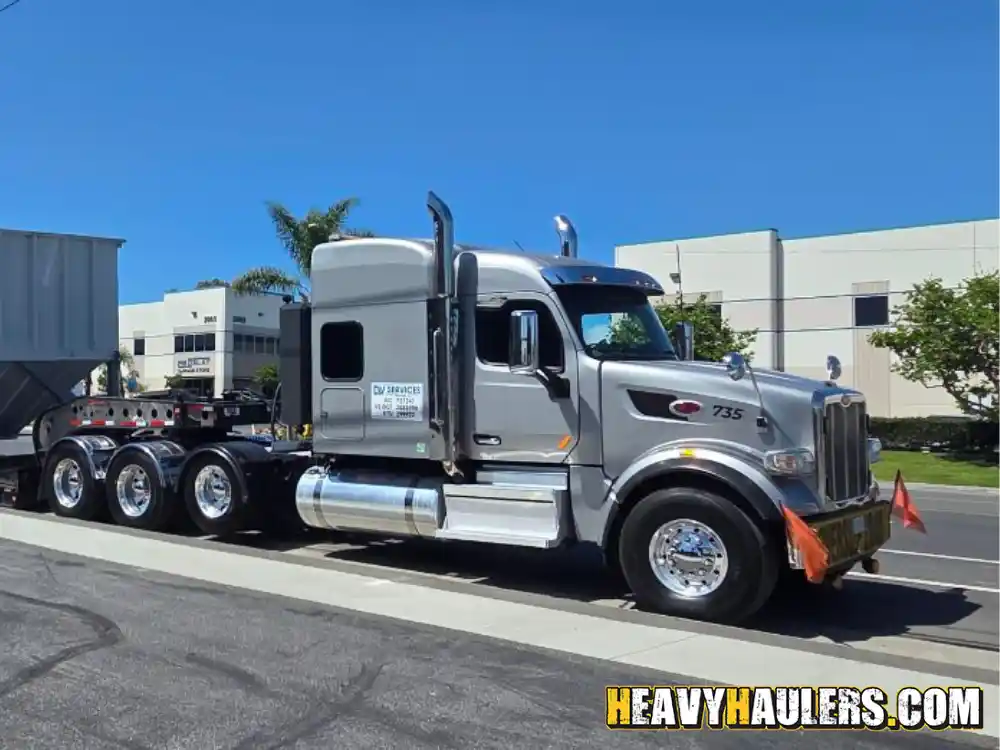
Insulation performs to its rated R-value only when it arrives and is installed at full thickness, dry condition, and without compression damage that reduces its effective thermal resistance. A compressed batt, a wet rigid board, or a roll that was crushed during transport delivers less thermal performance than its label states, and the energy penalty for that underperformance accumulates over the building's entire service life.
Our team has over 16 years of experience moving insulation products with the compression prevention, moisture management, and bulk volume handling that insulation contractors and property owners depend on. Call Heavy Haulers today for reliable insulation hauling and get your free shipping estimate.
Understanding the Challenges of Insulation Transport
Fiberglass batt and mineral wool insulation derive their thermal resistance from the air pockets trapped within the fiber matrix. That air content depends on the insulation maintaining its full manufactured thickness. Compression from stacking weight, binder pressure, or rough handling reduces that thickness and the corresponding R-value in proportion to how much the material was compressed. Insulation that recovers its full thickness after compression retains its rating. Insulation that is permanently compressed below its rated thickness delivers less thermal performance than the label claims, and there is no way to identify permanently compressed insulation from visually inspecting it after recovery.
Rigid foam insulation board products, including EPS, XPS, and polyisocyanurate, are manufactured to specific compressive strength, thermal resistance, and moisture resistance ratings. EPS and polyiso boards can absorb moisture at cut edges and damaged face surfaces that reduces their thermal resistance rating and in some applications affects their compressive strength under floor or foundation loading. Surface damage from rough handling, binder contact directly on foam faces, and moisture exposure during open transport all create performance deficits that are not visible in the installed product.
Insulation is among the most volume-intensive freight in the construction supply chain. A truckload of fiberglass batt insulation in standard packaging occupies an enormous amount of trailer space relative to its weight. Compressed packaging helps, but even compressed insulation bundles fill trailers rapidly without approaching weight limits. Managing insulation deliveries efficiently requires trailer utilization planning that maximizes the volume of insulation on each truck while maintaining the package integrity that prevents compression damage during the load.
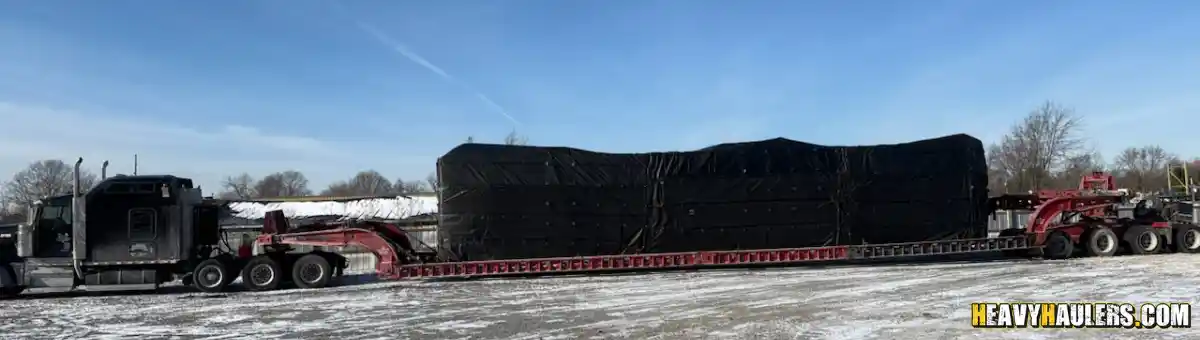
Two-component spray foam insulation systems ship as separate isocyanate and polyol component drums that have specific temperature storage and transport requirements. Isocyanate components are moisture-reactive and must be kept sealed and within specified temperature ranges during transport to prevent premature reaction and viscosity changes that affect spray performance. Transporting spray foam components outside their specified temperature range can render the material unusable before it reaches the job site.
Blown-in loose fill insulation products, including cellulose, fiberglass loose fill, and mineral wool loose fill, ship in bags that must remain sealed and dry throughout transport. Bag punctures from sharp contact surfaces, banding edges, or forklift tine contact during loading create product loss and contamination. Moisture exposure through punctured bags causes cellulose insulation to clump and lose its pour density, reducing the coverage rate per bag and increasing the installed cost of the insulation job.
Insulation deliveries to residential construction sites frequently require interior placement on upper floors or in attic spaces to stage material close to the installation area. Moving large volumes of bulky insulation bundles through a framed but unfinished structure requires coordination with the framing crew and careful handling to avoid damaging framing members, temporary stairs, and rough opening protections that are in place during the insulation installation phase.
HEAVYHAULERS.COM
START YOUR SHIPMENT TODAY!

How Heavy Haulers Ensures Efficient and Safe Insulation Hauling
Heavy Haulers builds insulation loads with compression prevention as the primary stacking consideration. Fiberglass batt and mineral wool packages are stacked within manufacturer-specified stack height limits. No heavy construction materials are staged on insulation pallets. Binder straps are positioned at pallet banding locations rather than directly over insulation packages where strap tension would compress the product. That load building approach protects the full-thickness condition that the R-value rating depends on.
Rigid foam insulation board loads on open equipment receive waterproof tarp coverage before the truck departs the supply facility. For boards with cut or damaged edge surfaces, breathable protective wrapping is applied at exposed edge locations to limit moisture absorption during transit. Binder contact with foam board face surfaces is avoided by positioning straps at pallet framing locations rather than directly on the foam. That combination of moisture protection and surface protection keeps rigid foam boards at their rated performance levels through delivery.
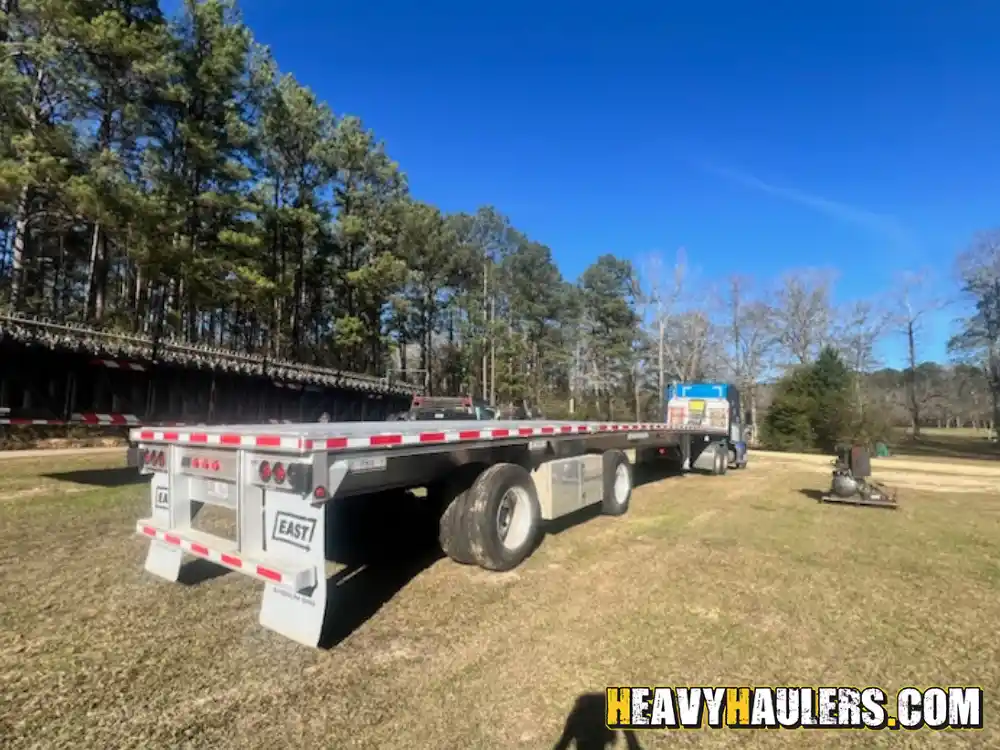
For large insulation deliveries where trailer space utilization drives transport cost, our logistics team works with the insulation supplier or contractor to optimize bundle stacking configurations before the load is built. Batt packages are oriented to maximize stack efficiency within compression limits. Rigid board stacks are interlocked for stability without exceeding safe stack heights. That optimization reduces the truck count needed for large insulation packages and lowers the overall transport cost for the contractor.
For spray foam component deliveries, our logistics team confirms temperature storage requirements for both the isocyanate and polyol components before trailer selection. For hauls during cold weather periods, heated trailer configurations are used to keep components within specified temperature ranges. For summer hauls in extreme heat regions, trailer temperature conditions are evaluated before loading. Component drums are confirmed sealed before loading and inspected for seal integrity at each stop on multi-day hauls.
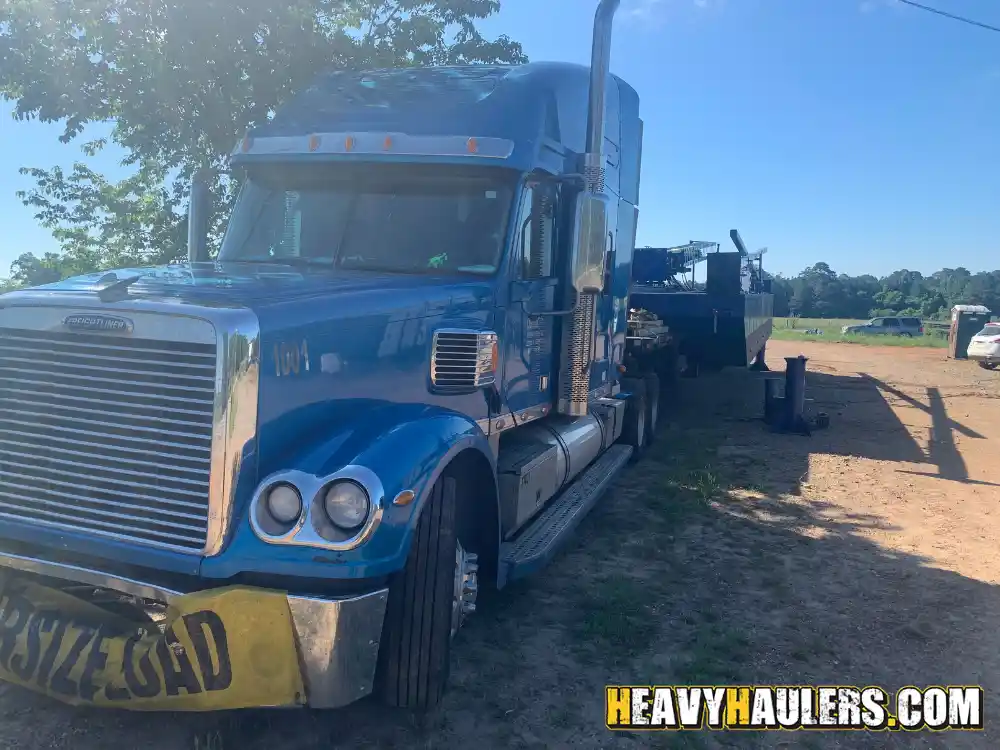
Our drivers inspect loose fill insulation bag condition at the loading facility before accepting any loose fill load. Bags with punctures, tears, or compromised seals are flagged before loading. For loads where bag condition raises concern at contact points with other freight, protective separation material is applied between loose fill bags and adjacent load surfaces. That inspection and separation approach prevents the product loss and moisture contamination that happens when loose fill bags are damaged during loading or transit.
For insulation deliveries requiring interior placement at residential construction sites, your Heavy Haulers specialist confirms framing completion status, interior access conditions, and staging location with the framing contractor or homeowner before dispatch. Bundle weight and package dimensions are communicated so the receiving crew can prepare appropriate handling assistance before the truck arrives. That coordination prevents the improvised handling situations that damage insulation packages and framing members when interior delivery planning is left to the day of delivery.

Ready To Haul Your Equipment?
Our Specialists Are Here To Make Your
Transport Simple And Stress-Free.
Why Choose Heavy Haulers for Insulation Shipping Services?
Insulation is a product whose performance you cannot see after it is installed in the wall or ceiling. The only way to know it was delivered and installed correctly is to trust that the material arrived in the condition the manufacturer rated it for. Compressed batts, wet rigid boards, and temperature-compromised spray foam components all deliver less than their rated performance, and the building owner pays for that deficit in energy costs over the building's entire service life. Heavy Haulers has been moving insulation products for over 16 years with the compression prevention, moisture management, and temperature-controlled transport protocols that insulation contractors and building owners depend on when building performance has to meet the design standard.
R-Value Protection From the Supply Yard to the Wall
Compression prevention load building, stack height limits, and binder placement protocols that protect insulation packages are all standard on every insulation load we handle. Your insulation arrives at its rated R-value because we treat R-value protection as a load building requirement, not an afterthought.
Fully Insured on Every Insulation Shipment
Every insulation shipment we handle carries full cargo insurance from the supply facility to the job site. Fiberglass batt, rigid foam board, spray foam components, and loose fill products are all protected against loss or transit damage throughout the haul.
Serving Every Customer From Homeowner to Commercial Contractor
Whether you are insulating a single residential renovation or supplying a full commercial building insulation package, Heavy Haulers moves insulation at any order size with the same professional handling standard and dedicated specialist.
16 Years of Building Products Transport Experience
Heavy Haulers has been moving insulation and building envelope materials for over 16 years across residential new construction, commercial building projects, and industrial facility applications. Our experience with compression prevention, rigid foam moisture protection, and spray foam temperature management applies to every insulation load we dispatch.
Transparent Pricing for Any Insulation Order
Insulation shipping estimates from Heavy Haulers account for product type, package configuration, volume, temperature requirements, and delivery site conditions before a rate is provided. One honest number before the truck is assigned.
Heavy Haulers is here to make sure your insulation arrives in full-thickness, dry condition and ready for installation. Contact us now for a free insulation transport quote.

We've Got You Covered
Count on us for the tools and services you need to get the job done
right and keep your projects moving!
equipment specifications
suitable trailers per equipment
Planning Assistance
Regional transport guidelines
Our heavy equipment specialists are ready to help