


Choose Heavy Haulers Because We Set the Standard
Metal Roofing Transport/Shipping Services
Metal roofing panels are long, thin, and finished on one side with a coating that determines how the roof performs and looks for decades. One abrasion mark from a poorly placed binder or a dent from rough handling is not a cosmetic issue. It is a warranty event. Heavy Haulers moves metal roofing panels and components to residential properties, commercial construction projects, and roofing supply distributors nationwide. Call today for a free metal roofing shipping estimate.

Quick. Reliable. Hassle-Free.
Speak with an expert logistics agent to move your equipment quickly and at an affordable rate!
(800) 908-6206Metal Roofing Shipping Company Near You
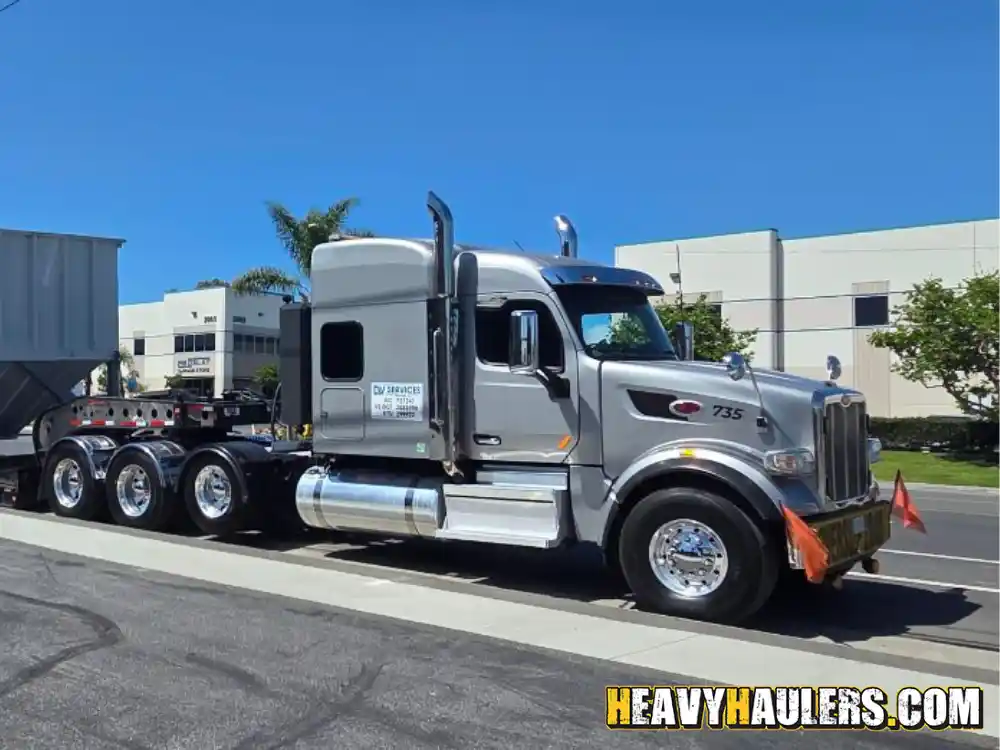
Metal roofing is a premium product that arrives with a finish warranty tied directly to coating integrity. A panel that is scratched, dented, or bent during transport does not just look wrong. It may fail the coating system's adhesion at the damage point, creating a corrosion initiation site that voids the warranty before the panel is ever on the roof.
Our team has over 16 years of experience moving metal roofing with the surface protection discipline these products require. Call Heavy Haulers today for reliable metal roofing hauling and get your free transport quote.
Understanding the Challenges of Metal Roofing Transport
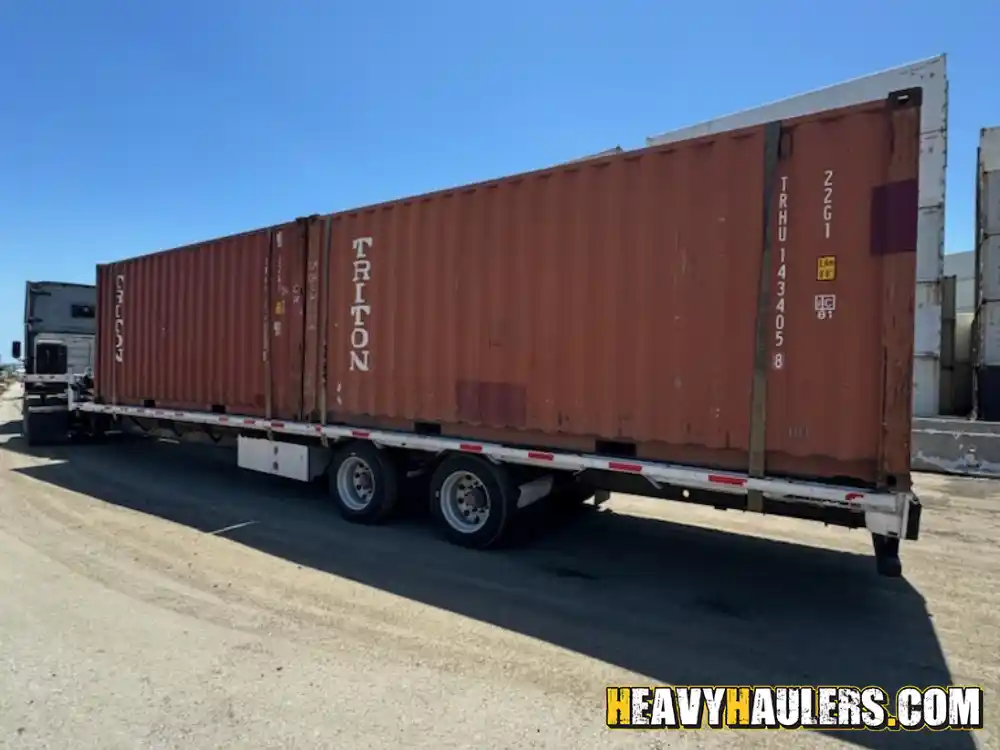
Metal roofing panels for residential and commercial applications are commonly produced in lengths from 10 feet to 40 feet, with custom lengths for large commercial projects running even longer. Panels extending beyond the rear of the trailer require overhang flags, lighting, and in many states, specific permits depending on the extent of the overhang. For panels shipped in bundles with staggered lengths, the longest panel in the bundle determines the overhang measurement, and that measurement has to be confirmed before the truck enters the road network.
The paint systems applied to metal roofing panels are factory-cured coatings designed for outdoor UV and weather resistance in their final installed position. During transport, those coatings are exposed to abrasion risk from panel-to-panel contact within a bundle, binder strap contact directly on the panel surface, and vibration-induced micro-movement between stacked panels. Coatings that appear undamaged to the naked eye can have microscopic abrasion that accelerates corrosion at those points within a few years of installation.
Metal roofing panel profiles, whether corrugated, ribbed, or standing seam, derive their structural rigidity from their formed shape. That profile can be deformed by concentrated binder pressure, by stacking panels in a way that puts twist stress across the panel width, or by loading panels on a trailer with insufficient deck support along the panel length. A deformed panel profile does not lay flat on the roof deck during installation, creates gaps at the overlap joints, and in standing seam applications, may not engage the seaming tool correctly.
Metal roofing panels that ship in direct contact with each other are vulnerable to galvanic reaction between dissimilar metals, paint transfer between adjacent coated surfaces, and capillary moisture entrapment between sheets during wet weather transport. Manufacturers of premium metal roofing systems specify interleaving material between panels in bundled shipments for exactly these reasons. Removing or skipping that interleaving during repacking or transfer operations creates a damage mechanism that was specifically engineered out of the original packaging.
A 40-foot metal roofing panel has very little lateral stiffness when handled unsupported at mid-span. A panel picked up at the ends without mid-span support deflects enough to permanently distort the profile geometry at the support points. That kind of handling damage happens most frequently during loading at the manufacturing facility or during offloading at the job site when the crew is moving quickly and not thinking about the panel's physical limitations.
Metal roofing deliveries to residential properties often involve sloped driveways, narrow access routes, and limited staging areas that make maneuvering a long flatbed carrying 40-foot panels genuinely difficult. The homeowner or roofing contractor receiving the delivery may not have equipment to offload long panels safely without bending them during the manual handling process. Coordinating the offloading approach before the truck arrives prevents the handling damage that happens when the delivery plan is figured out after the truck is already in the driveway.
HEAVYHAULERS.COM
START YOUR SHIPMENT TODAY!
How Heavy Haulers Ensures Efficient and Safe Metal Roofing Hauling
Every metal roofing load we handle uses non-abrasive separation material between panel layers throughout the bundle. For coated panels with premium paint systems, foam-backed or fabric interleaving is applied at all contact surfaces before binders are positioned. Binder straps are placed at structural locations on the bundle where load force transfers through the bundle thickness rather than concentrating on individual panel coating surfaces. That separation standard protects the coating integrity that the panel's warranty depends on.
For long roofing panel loads, our team places dunnage support at intervals calculated to prevent panel deflection and profile distortion throughout the haul. For panels exceeding 20 feet, minimum three support points are used along the panel length. For custom-length commercial panels running 30 to 40 feet, support intervals are tightened based on panel gauge and profile geometry. That full-length support approach prevents the mid-span deflection that distorts panel profiles during transit.
For metal roofing loads with panel lengths that create rear overhang, our logistics team measures overhang distance before the truck is dispatched and confirms applicable state requirements for flagging, lighting, and any permit filings required. For custom-length commercial panel loads that exceed standard oversize thresholds, permits are filed before the truck departs the manufacturing facility. Drivers receive a complete compliance package before entering the road network.
For long-panel roofing loads, our team confirms mid-span support requirements with the loading crew at the manufacturing facility before the loading sequence begins. For deliveries where offloading involves manual panel handling by the roofing contractor, our specialist communicates panel length and mid-span support requirements to the receiving crew before the truck arrives. That communication prevents the handling damage that occurs when long panels are moved without adequate support during the offloading sequence.
Metal roofing panels on open flatbed loads are protected from moisture entrapment between sheets with breathable covering material that prevents water accumulation while allowing any moisture already between sheets to escape during transit. For open hauls in wet conditions, waterproof outer tarps are applied over the breathable inner layer to prevent new moisture from entering the bundle. That two-layer approach addresses both moisture ingress and entrapment simultaneously.
For metal roofing deliveries to residential properties, your Heavy Haulers specialist confirms site access, driveway dimensions, and offloading approach with the homeowner or roofing contractor before dispatch. For properties where long panel access requires specific truck positioning or staging area preparation, those requirements are communicated before the delivery day. That advance planning prevents the improvised offloading situations that bend long panels and damage coatings during the final handling sequence.
Ready To Haul Your Equipment?
Our Specialists Are Here To Make Your
Transport Simple And Stress-Free.
Why Choose Heavy Haulers for Metal Roofing Shipping Services?
Metal roofing is a long-term investment that performs as designed only when the coating system arrives intact and the panel profile is undistorted. A transport event that damages the coating or deforms the profile does not just create an installation problem. It creates a warranty dispute and a performance liability that follows the project for years. Heavy Haulers has been moving metal roofing panels for over 16 years with the non-abrasive separation standards, full-length support protocols, and coating protection discipline that roofing contractors and property owners depend on when the roof has to be right.
Coating Protection
Non-abrasive separation between every panel layer, binder placement away from coated surfaces, and breathable moisture protection are all standard on every metal roofing load we handle. These are not upgrades. They are baseline requirements that protect the finish warranty on every panel we move.
Fully Insured Services
Every metal roofing shipment carries full cargo insurance from the manufacturing facility or distribution yard to the project site. Premium coated panels and custom-length commercial roofing are protected against loss or transit damage throughout the entire haul.
Serving Every Customer From Homeowner to Commercial Contractor
Whether you are a homeowner replacing a residential roof or a commercial roofing contractor supplying a large industrial project, Heavy Haulers moves metal roofing at any order size with the same surface protection standards and dedicated specialist.
16 Years of Metal Panel and Roofing Material Transport
Heavy Haulers has been moving metal roofing panels and building envelope materials for over 16 years. Our experience with panel profile protection, coating system handling, and residential delivery coordination applies to every metal roofing load we dispatch.
Upfront Pricing
Metal roofing shipping estimates from Heavy Haulers account for panel length, profile type, coating specification, overhang requirements, and delivery site access conditions before a rate is provided. One complete number before the truck is assigned.
Heavy Haulers is here to make sure your metal roofing arrives in perfect condition and ready for installation. Contact us now for a free metal roofing transport quote.
We've Got You Covered
Count on us for the tools and services you need to get the job done
right and keep your projects moving!
equipment specifications
suitable trailers per equipment
Planning Assistance
Regional transport guidelines
Our heavy equipment specialists are ready to help