



Choose Heavy Haulers Because We Set the Standard
Carbon Fiber Transport Services
Carbon fiber is one of the most performance-critical and handling-sensitive materials in advanced manufacturing. Its fiber architecture is the source of its remarkable strength-to-weight ratio, and that architecture can be permanently compromised by transport handling events that would not affect any conventional material. Heavy Haulers moves carbon fiber of all product forms and quantities to aerospace fabricators, automotive manufacturers, and advanced composite shops nationwide. Call today for a free carbon fiber shipping estimate.

Quick. Reliable. Hassle-Free.
Speak with an expert logistics agent to move your equipment quickly and at an affordable rate!
(800) 908-6206Carbon Fiber Shipping Company Near You
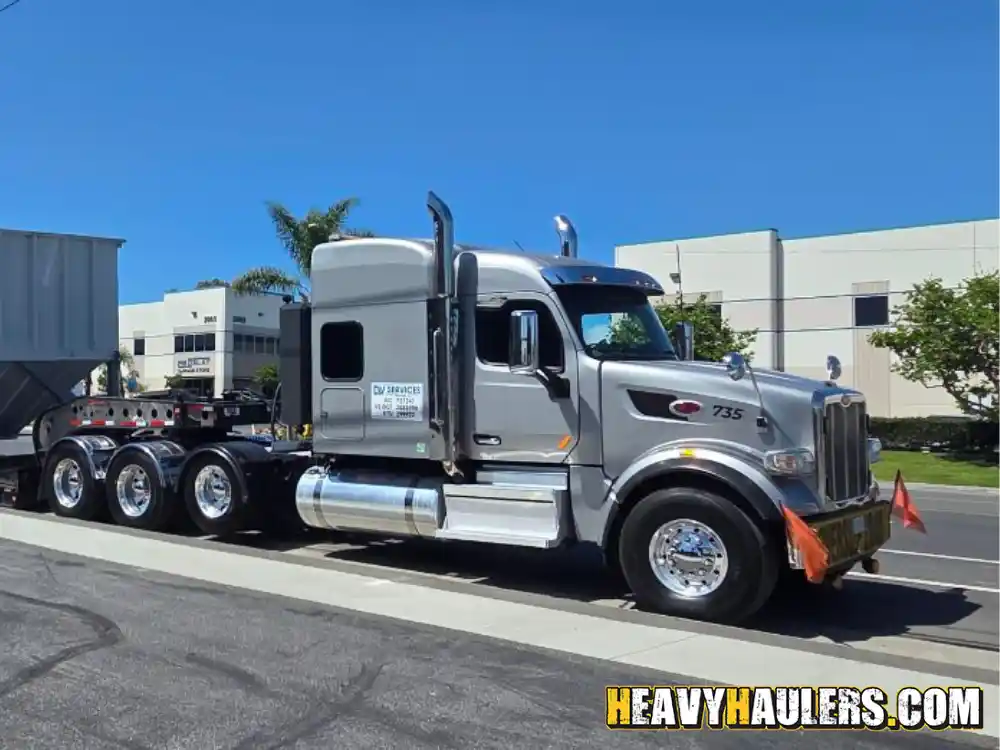
Carbon fiber represents the intersection of extraordinary performance and extraordinary handling sensitivity, and a carrier who does not understand both sides of that equation will compromise one in the process of moving the other.
Our team has over 16 years of experience moving carbon fiber with the temperature discipline, fiber architecture care, and contamination prevention that structural carbon fiber applications demand. Call Heavy Haulers today for dependable carbon fiber hauling and get your free shipping estimate.
Understanding the Challenges of Carbon Fiber Transport
Carbon fiber prepreg contains epoxy or thermoplastic resin in a partially advanced cure state that continues reacting at ambient temperature. That reaction consumes the resin's remaining cure life, measured as out-time at ambient temperature. Every hour that prepreg spends outside refrigerated storage reduces the available out-time at the fabrication facility. A prepreg delivery where temperature control was lost for eight hours during transit arrives with eight hours less out-time than the manufacturer shipped it with. For aerospace programs where out-time compliance is a process certification requirement, that out-time deficit creates a quality system exception before the first ply is laid.
Carbon fiber's remarkable axial stiffness and strength are properties of the fiber in the direction it was oriented during fabrication. That orientation is defined by the weave architecture in woven fabrics and by the layup sequence in prepreg laminates. Fiber waviness introduced by bending woven fabric beyond its natural drape radius, by applying pressure to prepreg that shifts fibers within the resin matrix, or by rolling dry fabric too tightly creates out-of-plane fiber orientation at the waviness locations. Even small fiber waviness angles, measured in degrees from the nominal orientation, create measurable reductions in the laminate's compressive strength that aerospace design allowables do not carry margin for.
Carbon fiber is electrochemically active and creates galvanic corrosion on aluminum and other metals when direct electrical contact occurs in the presence of moisture. During transport, carbon fiber fabric and prepreg in contact with aluminum trailer components, aluminum blocking materials, or aluminum packaging in a wet environment creates galvanic corrosion products on both the carbon fiber and the aluminum that contaminate the carbon fiber surface. For carbon fiber bonding and co-cure operations where surface cleanliness determines bond strength, galvanic contamination during transport creates structural bond quality issues that the fabrication process cannot recover from.
Carbon fiber unidirectional tape and narrow woven fabric typically ship on precision-wound spools with specific core diameters and winding tensions that maintain fiber architecture throughout the roll. A spool that is dropped, stored on its side, or compressed during transport develops core crush and winding geometry changes that create fiber architecture distortions when the tape is unwound for layup. For automated fiber placement operations where tape feed geometry is a process parameter, spool geometry deviation from transport handling creates placement head feed problems that interrupt production.
Aerospace-grade carbon fiber prepreg is produced to material specifications that require full traceability from the fiber manufacturer through the prepreg manufacturer to the certification documentation that accompanies every roll. That certification includes fiber modulus, resin content, areal weight, cure cycle specification, and shelf life data that the aerospace fabricator's material review board must have before the material can enter the production layup process. Certification documentation that is lost, damaged, or separated from the material during transport creates an airworthiness compliance issue that delays material entry to production.
Some carbon fiber prepreg resin systems are photosensitive and can experience surface chemistry changes from UV exposure during transport. For prepreg materials in UV-sensitive resin systems, open transport without UV-blocking packaging creates surface resin chemistry changes that affect bonding adhesion and cure uniformity in areas exposed to UV. The effect is most pronounced on the outer surface of improperly packaged prepreg rolls and creates a bonding quality differential between the outer and inner plies of parts laid up from UV-exposed material.
HEAVYHAULERS.COM
START YOUR SHIPMENT TODAY!
How Heavy Haulers Ensures Efficient and Safe Carbon Fiber Hauling
Every carbon fiber prepreg shipment we handle uses temperature-controlled trailer configurations and continuous temperature monitoring from the manufacturer's cold storage through delivery to the fabrication facility's receiving cold storage. Temperature log data is available to the fabrication facility's quality team at delivery to support material traceability and out-time compliance records. For prepreg deliveries with aerospace program certification requirements, temperature log continuity from manufacturer to fabricator is documented without gaps. That temperature discipline preserves the out-time that the fabrication program is counting on.
For woven carbon fiber fabric and unidirectional tape, our team applies handling protocols that maintain fiber architecture throughout the transport event. Woven fabric rolls are handled within the manufacturer's specified bend radius limits. Prepreg rolls are supported without point pressure on the roll face. Dry fabric sheets are handled flat with full-face support during every transfer. Those fiber architecture preservation protocols reflect the structural performance consequence of waviness introduced by careless handling.
Every carbon fiber load we handle uses non-metallic, non-contaminating contact materials at every point where carbon fiber contacts the trailer, blocking hardware, or packaging. Aluminum blocking is excluded from carbon fiber loads. Carbon fiber fabric and prepreg never contacts bare metal trailer components. All contact surfaces use plastic, rubber, or composite-compatible wood blocking that prevents both galvanic and chemical contamination. That non-metallic contact standard addresses the galvanic sensitivity that makes carbon fiber and aluminum a contamination risk in combination.
For carbon fiber unidirectional tape and narrow woven fabric on precision spools, our team confirms spool storage orientation and protection before loading. Spools are transported in the manufacturer-specified orientation without compression or side loading that distorts core geometry. For automated fiber placement spools with tight winding geometry requirements, spool condition is confirmed at both pickup and delivery with any geometry change documented. That spool geometry protection approach preserves the tape feed characteristics that automated placement operations depend on.
Before any aerospace-grade carbon fiber prepreg or structural fabric delivery is accepted, our logistics team confirms that material certification packages are complete, current, and will travel with the material in protected packaging from the manufacturer to the fabrication facility. Certification packages are confirmed against the fabrication program's material specification requirements before the truck is loaded. Any certification gap is identified and resolved before the material departs the manufacturer. That front-end certification management prevents the airworthiness compliance holds that documentation gaps create at aerospace receiving inspection.
For carbon fiber prepreg in UV-sensitive resin systems, our team confirms that UV-blocking packaging is in place before the material is loaded onto any transport that exposes it to daylight. For deliveries where the truck transitions through daylight conditions, UV-blocking outer packaging is applied before departure regardless of whether the inner packaging provides UV protection. That UV protection approach preserves the surface chemistry uniformity that bonding quality and cure uniformity require across all plies in the laminate.

Ready To Haul Your Equipment?
Our Specialists Are Here To Make Your
Transport Simple And Stress-Free.
Why Choose Heavy Haulers for Carbon Fiber Shipping Services?
Carbon fiber performance is defined by fiber architecture, resin state, and surface cleanliness at the time of layup. A prepreg that arrived warm has compromised out-time. A woven fabric with transport-induced fiber waviness has reduced compressive strength contribution in the cured laminate. A carbon fiber surface with galvanic contamination from aluminum contact creates a bond quality deviation that the structural analysis did not account for. Heavy Haulers has been moving carbon fiber for over 16 years with the refrigerated transport discipline, fiber architecture handling protocols, and non-contaminating contact standards that aerospace fabricators, motorsport teams, and advanced composite shops depend on when carbon fiber performance in the cured structure depends on material quality at delivery.
Temperature Regulation That Protects Prepreg Out-Time
Refrigerated transport, continuous temperature monitoring, and delivery documentation of the complete temperature history are standard on every carbon fiber prepreg delivery. Your fabrication program's out-time compliance record is supported by the temperature log that arrives with the material.
Fully Insured From Manufacturer to Fabrication Facility
Every carbon fiber shipment carries full cargo insurance from the manufacturer or distributor to the fabrication facility. Aerospace-grade prepreg, woven fabric, unidirectional tape, and carbon fiber structural sections are all protected against loss or transit damage throughout the haul.
16 Years of Advanced Composite Material Transport
Heavy Haulers has been moving carbon fiber and advanced composite materials for over 16 years. Our experience with prepreg temperature management, fiber architecture preservation, galvanic contamination prevention, and aerospace certification handling applies to every carbon fiber load we dispatch.
Every Customer From Individual Composite Shop to Major Aerospace Program
Whether you are a small composite fabrication shop receiving a single carbon fiber fabric order or a major aerospace program managing ongoing prepreg supply, Heavy Haulers moves carbon fiber at any scale with the same temperature discipline and contamination prevention standards.
Pricing That Reflects the Demands of Your Shipment
Carbon fiber shipping estimates from Heavy Haulers account for material form, resin system, temperature control requirements, certification documentation needs, and delivery site conditions before a rate is provided. One complete number that reflects what carbon fiber transport quality actually costs.
Heavy Haulers is here to make sure your carbon fiber arrives in the material condition that your fabrication program requires. Contact us now for a free carbon fiber shipping estimate.
We've Got You Covered
Count on us for the tools and services you need to get the job done
right and keep your projects moving!
equipment specifications
suitable trailers per equipment
Planning Assistance
Regional transport guidelines
Our heavy equipment specialists are ready to help