


Choose Heavy Haulers Because We Set the Standard
Kevlar Component Transport Services
Kevlar components protect lives in ballistic armor, personal protective equipment, and structural safety systems where material performance is not a specification preference but a life-safety requirement. Moving them from the manufacturer to the end user requires the same discipline that their application demands. Heavy Haulers moves Kevlar components of all types and quantities to defense contractors, protective equipment manufacturers, and industrial safety operations nationwide. Contact us today for a free Kevlar component shipping estimate.

Quick. Reliable. Hassle-Free.
Speak with an expert logistics agent to move your equipment quickly and at an affordable rate!
(800) 908-6206Kevlar Component Shipping Company Near You
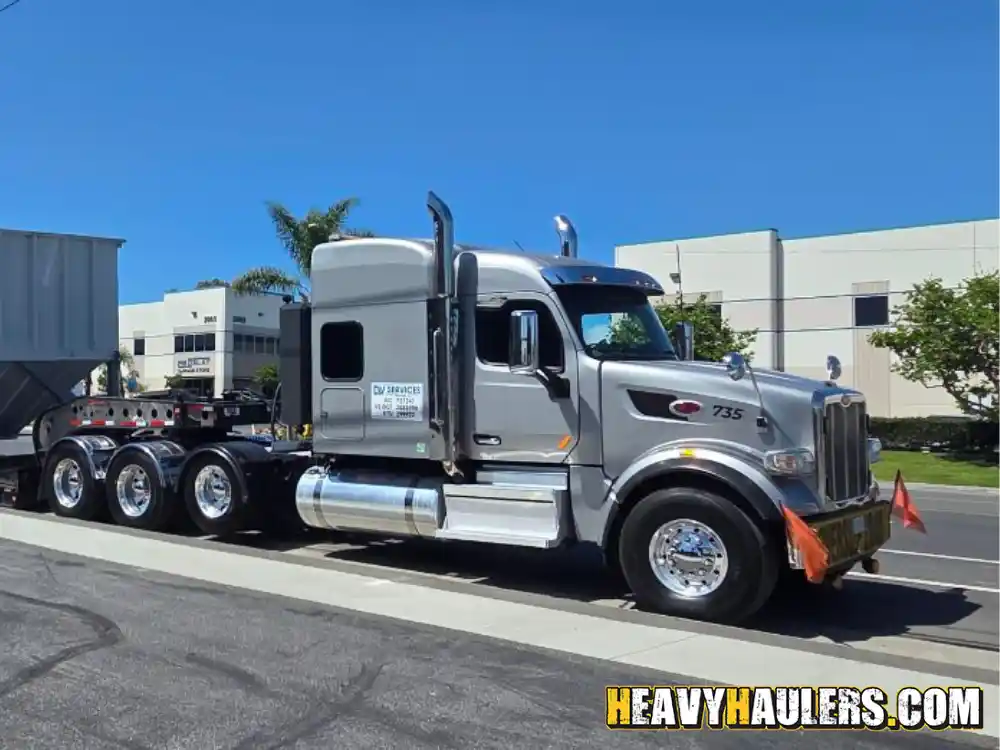
Kevlar components serve applications where material performance is directly tied to human safety outcomes, and the handling and transport quality of those materials and components reflects the seriousness of their end use.
Our team has over 16 years of experience moving advanced composite and protective materials with the care and accountability that life-safety applications demand. Call Heavy Haulers today for dependable Kevlar component hauling and get your free shipping estimate.
Understanding the Challenges of Kevlar Component Transport
Kevlar's ballistic performance depends on the fiber architecture in the woven fabric or composite laminate providing the specific energy absorption mechanism that stops or slows a projectile. That mechanism depends on fiber waviness being within specification, weave architecture being undistorted, and fiber-to-fiber contact geometry being as manufactured. Transport handling that introduces fiber waviness through fabric distortion, that creates weave architecture irregularities from tight rolling or folding, or that compresses the fabric structure creates local ballistic performance variations that are not visible in the undamaged fabric but that the ballistic testing program would identify as performance deviations from specification.
Kevlar fibers absorb moisture from the atmosphere, and moisture content affects the fiber's mechanical properties in ways that influence ballistic performance. Wet Kevlar fabric has different energy absorption characteristics than dry fabric, and Kevlar components that absorb significant moisture during open transport arrive at the manufacturing facility with fiber properties that differ from the manufacturer's certified dry condition. For ballistic applications where performance is certified against a specific material condition, moisture absorption during transport creates a material condition deviation that the certification program did not account for.
Finished ballistic panels arrive from the manufacturer with cut edges that seal the panel's fiber layers against delamination and environmental exposure. Those cut edges are the most structurally vulnerable locations on the panel and are susceptible to impact damage during transport that creates edge delamination. Edge delamination on a ballistic panel creates a structural weakness at the panel perimeter that affects both the panel's ability to absorb ballistic energy at edge impact locations and its structural integrity under the in-service loading conditions that panels experience in vehicle and facility applications.
Kevlar components for defense and law enforcement applications are subject to performance certification requirements that trace the material to its manufacturing lot and verify ballistic performance against the applicable NIJ or military specification. Those certifications must accompany the component through every supply chain transfer and must be available at the receiving facility for acceptance testing and quality system review. A certification that is lost or damaged during transport creates a compliance hold that prevents the components from entering production or being delivered to the end user.
Kevlar materials and ballistic components for defense and law enforcement applications represent sensitive materials that require chain of custody management throughout the distribution process. Ballistic panels, body armor components, and defense-grade Kevlar systems delivered without confirmed chain of custody create security accountability questions that the receiving defense contractor or law enforcement agency has to resolve before accepting the shipment. That chain of custody requirement extends from the manufacturer through every supply chain transfer to the final receiving inspection.
Kevlar fibers are susceptible to UV degradation that reduces tensile strength over time when the fibers are exposed to sunlight without UV-protective packaging. The strength reduction from UV exposure is cumulative and is proportional to the UV dose received. For Kevlar in ballistic and structural applications where fiber strength is the performance parameter, UV exposure during open transport contributes to strength reduction that begins before the material reaches the manufacturing facility. Protecting Kevlar from UV during transport preserves the full fiber strength that the ballistic or structural performance specification requires.
HEAVYHAULERS.COM
START YOUR SHIPMENT TODAY!
How Heavy Haulers Ensures Efficient and Safe Kevlar Component Hauling
For Kevlar woven fabric and prepreg, our team applies handling protocols that maintain weave architecture and fiber straightness throughout the transport event. Fabric rolls are handled within the manufacturer's specified bend radius limits. Sheet materials are handled flat with full-face support. Fabric is never folded or creased during handling. Those fiber architecture protocols reflect the ballistic performance consequence of waviness and weave distortion in protective applications.
For Kevlar fabric and ballistic panel deliveries, our team confirms moisture barrier packaging integrity before loading. For open transport, weatherproof covering is applied before the truck departs. For multi-day hauls with overnight stops, tarp and packaging integrity is confirmed before each day's departure. That moisture protection approach maintains the dry fiber condition that the ballistic performance certification was established for.
For finished ballistic panel deliveries, our loading crew applies foam or rubber edge protectors at all panel edges before loading. Panels are positioned in the load to prevent the edge impact events that create panel edge delamination. For panel stacks, non-abrasive separation between panels prevents the panel face contact that creates surface marking and edge pressure at the stack perimeter. That edge protection approach preserves the structural integrity at the panel perimeter that edge ballistic performance depends on.
Before any defense-grade Kevlar component delivery is accepted, our logistics team confirms that performance certification packages with matching lot numbers are complete and will travel with the delivery in protected packaging. For NIJ-certified ballistic panels and military specification Kevlar systems, certification completeness is confirmed against the receiving facility's acceptance requirements before the truck is loaded. Any certification gap is identified and resolved before the components depart the manufacturer. That certification management approach maintains the compliance traceability that defense receiving inspection requires.
For Kevlar materials and ballistic components with defense chain of custody requirements, Heavy Haulers applies delivery protocols that maintain documented custody from the manufacturer through delivery to the receiving defense contractor or law enforcement agency. Driver identity confirmation, receiving contact pre-notification, and delivery sign-off by the designated receiving authority are all applied as standard on defense-grade Kevlar deliveries. That chain of custody discipline reflects the security accountability that defense material recipients require.
For Kevlar fabric and ballistic material on any transport that exposes the material to daylight, UV-blocking packaging or covering is applied before the truck departs. For multi-day hauls, UV protection integrity is confirmed at each stop. For Kevlar in finished products where UV protection of the fiber is provided by the panel construction, panel packaging integrity is confirmed to ensure that UV protection is maintained throughout transit. That UV protection approach preserves the full fiber strength that ballistic and structural performance specifications require.

Ready To Haul Your Equipment?
Our Specialists Are Here To Make Your
Transport Simple And Stress-Free.
Why Choose Heavy Haulers for Kevlar Component Shipping Services?
Kevlar components protect people, and the transport quality of those components reflects the seriousness of that mission. Fiber architecture distortion from careless handling, moisture absorption from inadequate packaging, edge delamination from impact during loading, or certification loss during transit all create material or compliance conditions that affect the components' ability to perform their life-safety function. Heavy Haulers has been moving advanced protective and composite materials for over 16 years with the fiber architecture discipline, moisture protection, and chain of custody management that defense contractors, armor manufacturers, and industrial safety suppliers depend on when Kevlar performance at delivery determines life-safety outcomes.
Fiber Architecture and Performance Protection
Bend radius compliance, moisture barrier packaging, edge protection on finished panels, and UV-blocking coverage are all applied as non-negotiable standards on every Kevlar component delivery. Those standards exist because ballistic performance depends on material condition at delivery.
Fully Insured for Defense and Safety-Critical Applications
Every Kevlar component shipment carries full cargo insurance from the manufacturer to the fabrication or receiving facility. Woven Kevlar fabric, prepreg systems, finished ballistic panels, and industrial cut-resistant components are all protected against loss or transit damage throughout the haul.
16 Years of Advanced Protective and Composite Material Transport
Heavy Haulers has been moving Kevlar and advanced protective materials for over 16 years. Our experience with fiber architecture protection, moisture management, ballistic panel edge care, and defense chain of custody management applies to every Kevlar component load we dispatch.
Every Customer From Individual Fabricator to Major Defense Program
Whether you are a small protective equipment fabricator receiving a single Kevlar fabric order or a major defense contractor managing ongoing ballistic panel supply, Heavy Haulers moves Kevlar components at any scale with the same performance protection standards and chain of custody discipline.
Pricing That Reflects the Life-Safety Criticality of Your Components
Kevlar component shipping estimates from Heavy Haulers account for material form, application criticality, moisture protection requirements, certification documentation needs, and chain of custody requirements before a rate is provided. One honest number that reflects what life-safety material transport actually demands.
Heavy Haulers is here to make sure your Kevlar components arrive in the performance condition that your application requires. Contact us now for a free Kevlar component shipping estimate.
We've Got You Covered
Count on us for the tools and services you need to get the job done
right and keep your projects moving!
equipment specifications
suitable trailers per equipment
Planning Assistance
Regional transport guidelines
Our heavy equipment specialists are ready to help