

Choose Heavy Haulers Because We Set the Standard
Tooling Transport Services
Production tooling is the most value-dense freight in manufacturing supply chains. A single injection mold, stamping die, or precision forming tool represents months of design work, weeks of machining, and hundreds of thousands of dollars in manufacturing investment. Transport damage to production tooling is not a freight claim. It is a production program crisis. Heavy Haulers moves production tooling of all types and sizes to manufacturers, molders, and stamping operations nationwide. Contact us today for a free tooling shipping estimate.

Quick. Reliable. Hassle-Free.
Speak with an expert logistics agent to move your equipment quickly and at an affordable rate!
(800) 908-6206Tooling Shipping Company Near You
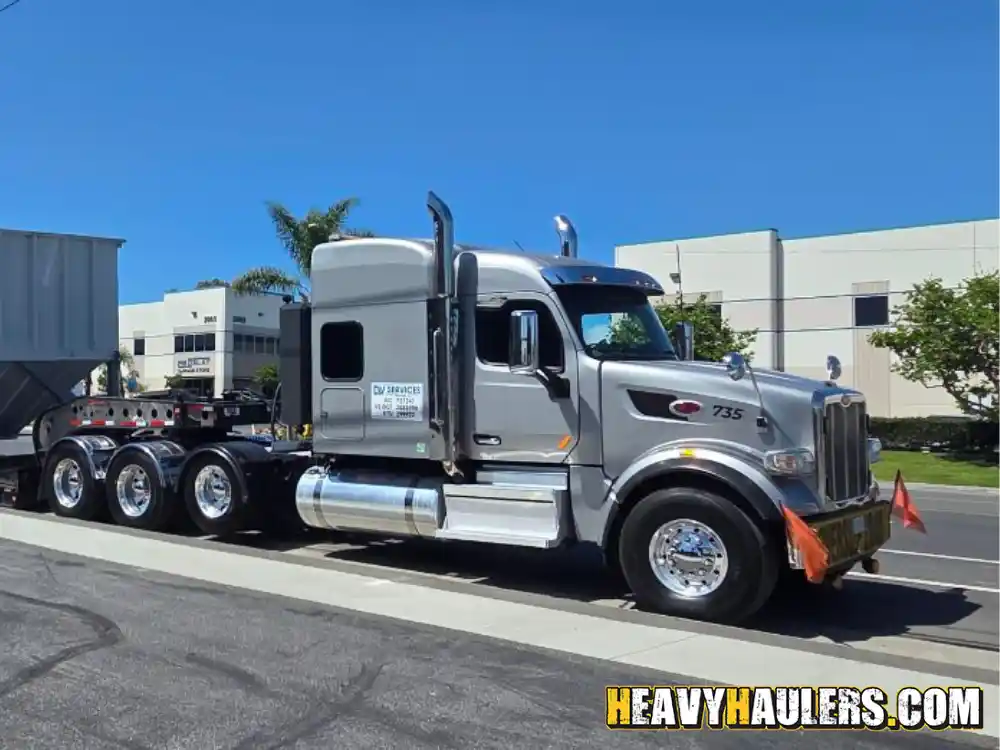
Production tooling arrives at the molding or stamping facility as the singular item that enables everything else in the production program. Without the tool, no parts run.
With a damaged tool, no parts run until the damage is repaired. Our team has over 16 years of experience moving production tooling with the parting surface protection, precision bore care, and production schedule coordination that tooling-dependent production programs require.
Understanding the Challenges of Tooling Transport
Injection molds and stamping dies have precision-machined parting surfaces and cavity geometry that define the dimensional accuracy and surface quality of every part produced from the tool. A parting surface that receives an impact during loading, develops a contact impression from improper blocking, or is scratched by abrasive dunnage creates a tooling defect that reproduces on every part produced from the affected cavity. For multi-cavity molds where parting surface integrity determines part dimensional uniformity across all cavities, a single parting surface damage event creates a systematic part quality problem that affects the entire production run until the tool is repaired.
Injection molds and die casting tools contain machined cooling water channels that maintain the tool temperature during production cycling. Those cooling channels connect to the tool's external water connections through machined passages that must remain sealed and free from blockage. Transport handling that creates impact forces at cooling water connection locations, that allows the tool to contact a surface at a cooling passage location, or that introduces debris into cooling passages creates either immediate leaks at the first water-up or progressive blockage that affects tool temperature distribution and part quality during production.
Production tooling for large injection molds and progressive stamping dies can weigh tens of thousands of pounds. Handling those tools requires crane equipment at both the tool shop and the production facility that is rated for the tool weight and rigged at the correct lift points. Die and mold manufacturers specify lift point locations that allow the tool weight to be carried through its structural elements without applying bending stress to the precision cavity and core sections that define part geometry. Lifting at non-specified points applies bending load to sections that were not designed for that load case, creating distortion in cavity geometry that requires re-machining to correct.
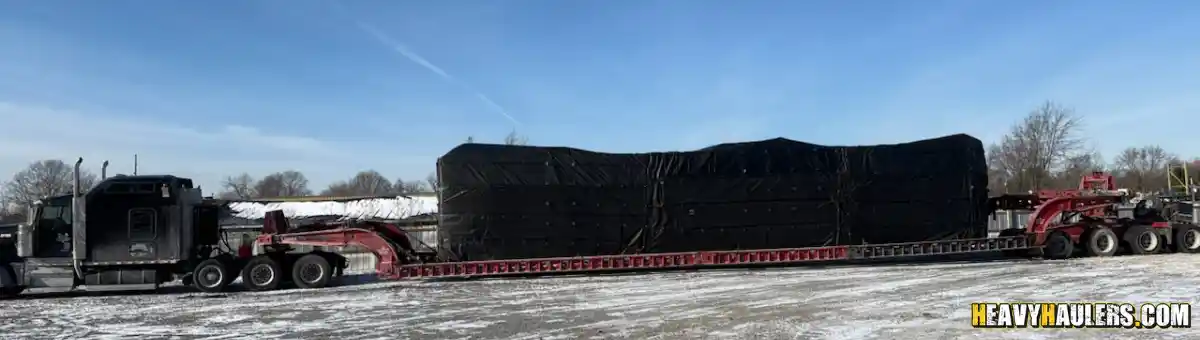
Injection molds contain ejector pin systems and in many cases core pull mechanisms that must move freely in their bores to function correctly during production cycling. Those mechanisms are vulnerable to distortion from transport handling events that apply lateral load to the pin and core pull bore geometry. An ejector pin that arrives with a bent shank from an impact event during transport, or a core pull slide that arrives with binding from bore distortion, creates a production startup problem that requires tool disassembly and repair before the first parts can be run.
Progressive and transfer stamping dies have punch and die sections with precisely controlled clearances that determine the quality of the stamped part edges and the tool's ability to run at production speed without premature wear. Those clearances are established during die tryout at the tool shop and are verified before shipment. Transport handling that creates relative movement between punch holder and die shoe sections, or that applies impact forces to punch and die sections at clearance-sensitive locations, can shift punch-to-die clearances beyond the acceptable range. That clearance deviation creates part quality failures from the first production stroke.
Production tooling ships from the tool shop with tryout documentation including first article inspection reports, process parameter records, and dimensional capability data that the production facility's engineering team needs to establish the production process baseline. That documentation must accompany the tool through every supply chain transfer and must be available at the receiving facility before the first production run begins. Documentation that is lost or damaged during transport creates a process engineering hold that delays the production start while replacement documentation is assembled from the tool shop records.
HEAVYHAULERS.COM
START YOUR SHIPMENT TODAY!
How Heavy Haulers Ensures Efficient and Safe Tooling Hauling
Before any production tooling load is accepted, our team confirms that parting surfaces, cavity faces, and precision machined features are protected with appropriate covering. Mold parting surfaces receive protective film or foam padding at all contact locations. Stamping die cavity and punch sections receive non-abrasive protection at all areas where tooling contact with blocking or trailer surfaces could occur. Cooling water connection locations receive plug protection before any handling event. That pre-contact protection approach reflects the production consequence of parting surface damage on a high-cavity production tool.
Before any production tooling lift is attempted, our team confirms the manufacturer-specified lift point locations with the tool shop. Crane rigging is configured at those specified lift points, and no improvised lift arrangements are permitted on production tooling regardless of convenience. For tools without clearly marked lift points, the tool shop is contacted before any lift is attempted to confirm the correct rigging configuration. That lift point compliance approach prevents the cavity geometry distortion that non-specified lifting creates in precision mold and die tooling.
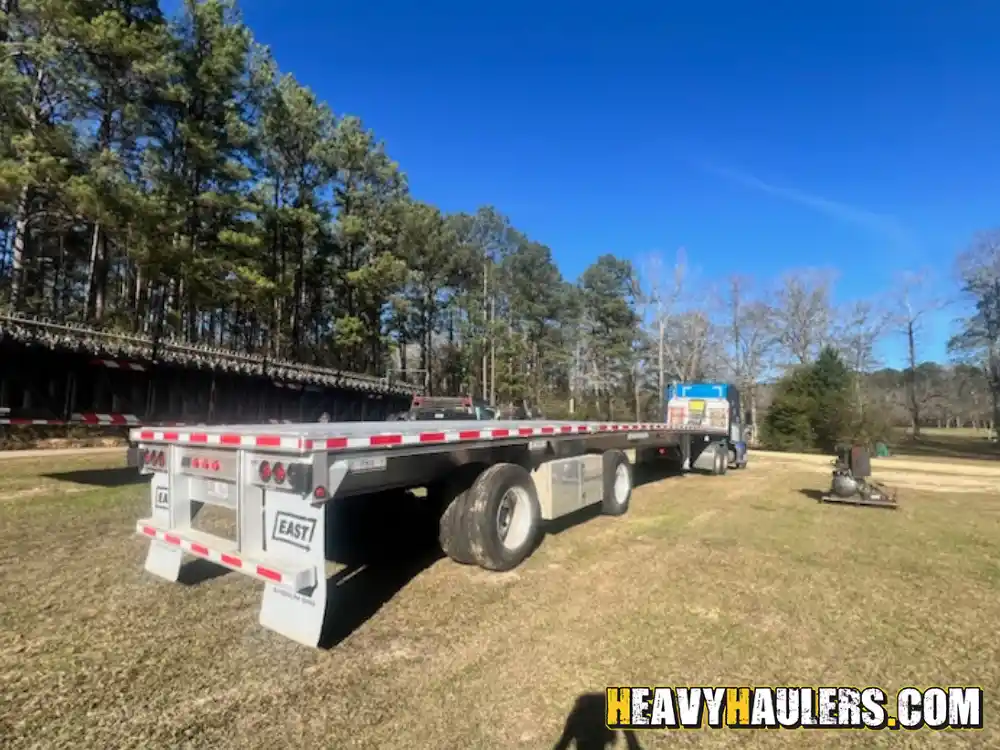
Before any injection mold or die casting tool departs the tool shop, our logistics team confirms that cooling water connections are plugged with thread protectors that prevent debris entry and connection damage during transport. For tools where cooling channel integrity is particularly critical, the tool shop's quality team confirms channel seal integrity before loading. That cooling system protection approach preserves the water connection integrity that immediate production startup requires.
For injection molds with ejector pin systems and core pull mechanisms, our team confirms with the tool shop that ejector and mechanism movement freedom was verified at the final inspection before shipping. For mechanisms that require shipping locks to prevent movement during transport, lock installation is confirmed before loading. For mechanisms without shipping locks, blocking configuration avoids applying lateral load to ejector bore and core pull slide locations. That mechanism protection approach preserves the free movement that production cycling requires from the first stroke.
For progressive and transfer stamping dies, our loading crew applies protective packaging between punch holder and die shoe sections where direct metal-to-metal contact could create clearance-affecting relative movement during transport. For tools shipping without die shoes, punch and die sections receive individual protection that prevents the impact events that shift clearances. Tie-down configurations are planned to apply load through the die shoe and punch holder structural elements rather than through precision punch and die sections. That die section protection approach preserves the punch-to-die clearance that part quality and tool life depend on.
Before any production tooling delivery departs, our logistics team confirms that tryout documentation, first article reports, and process parameter records are complete and will travel with the tool. Documentation packages travel separately from the tool in weatherproof packaging so a tool condition event during transit does not affect documentation integrity. For production facilities where engineering review of tryout documentation must occur before the production run begins, delivery timing is coordinated with the engineering team's availability. That documentation management approach provides the production facility with everything it needs to start production without documentation gaps.

Ready To Haul Your Equipment?
Our Specialists Are Here To Make Your
Transport Simple And Stress-Free.
Why Choose Heavy Haulers for Tooling Transport Services?
Production tooling is the single asset that enables every part production program it serves, and transport damage to that tooling creates production consequences that compound through the program schedule until the tool is repaired. A parting surface impression from improper blocking creates a systematic part quality defect that requires tool repair before acceptable parts can be produced. A cooling channel debris event creates a temperature control problem that affects part quality and cycle time. A distorted punch-to-die clearance creates edge quality failures from the first production stroke. Heavy Haulers has been moving production tooling for over 16 years with the parting surface protection, lift point compliance, and cooling system integrity care that tool shops and production facilities depend on when the tool has to arrive ready to run parts.
Parting Surface Protection
Protective covering at all parting surfaces before any contact, non-abrasive padding at cavity locations, and cooling connection plug installation are all applied before the first blocking piece touches the tool. That pre-contact protection standard reflects what a parting surface damage event costs in production terms.
Fully Insured
Every tooling shipment carries full cargo insurance that reflects the capital value of production molds, dies, and forming tools. Injection molds, stamping dies, blow molds, and thermoforming tools are all protected against loss or transit damage throughout the haul.
16 Years of Equipment Transport
Heavy Haulers has been moving production tooling and precision manufacturing equipment for over 16 years. Our experience with parting surface protection, lift point compliance, cooling system integrity, and tryout documentation management applies to every tooling load we dispatch.
Every Customer From Individual Tool Shop to Major Production Program
Whether you are an independent tool shop shipping a single mold to a customer or a major manufacturing program managing ongoing tooling supply logistics, Heavy Haulers moves production tooling at any scale with the same parting surface protection standards and dedicated specialist.
Pricing That Reflects the Capital Value and Production Criticality of Your Tooling
Tooling shipping estimates from Heavy Haulers account for tool type, weight, precision surface requirements, cooling system protection needs, lift point requirements, and production schedule timing before a rate is provided. One complete number that reflects what production tooling transport quality actually costs.
Heavy Haulers is here to make sure your production tooling arrives ready to run parts. Contact us now for a free tooling shipping estimate.
We've Got You Covered
Count on us for the tools and services you need to get the job done
right and keep your projects moving!
equipment specifications
suitable trailers per equipment
Planning Assistance
Regional transport guidelines
Our heavy equipment specialists are ready to help