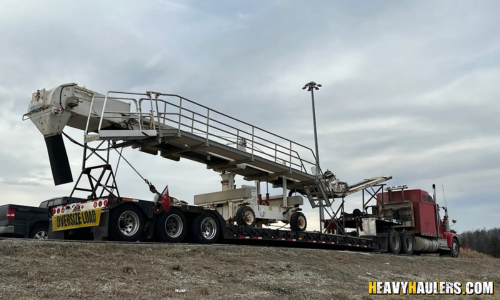
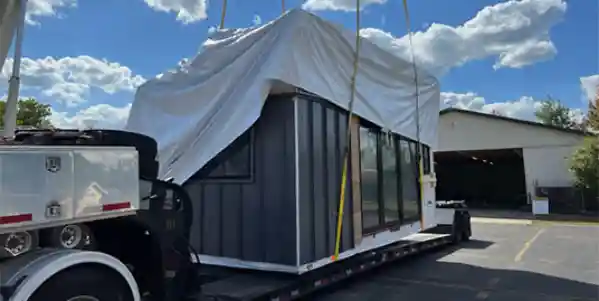
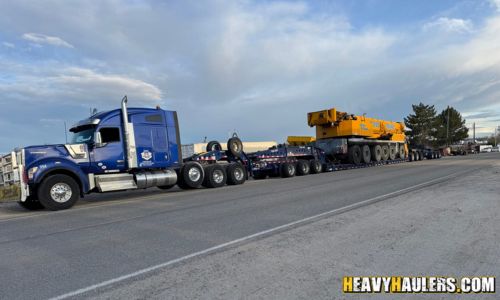
International trucking plays a critical role in industries that rely on the movement of oversized machinery and specialized equipment across borders. Hauling large-scale loads (such as construction cranes or industrial generators) requires careful coordination of logistics, regulatory compliance, and specialized transport solutions.
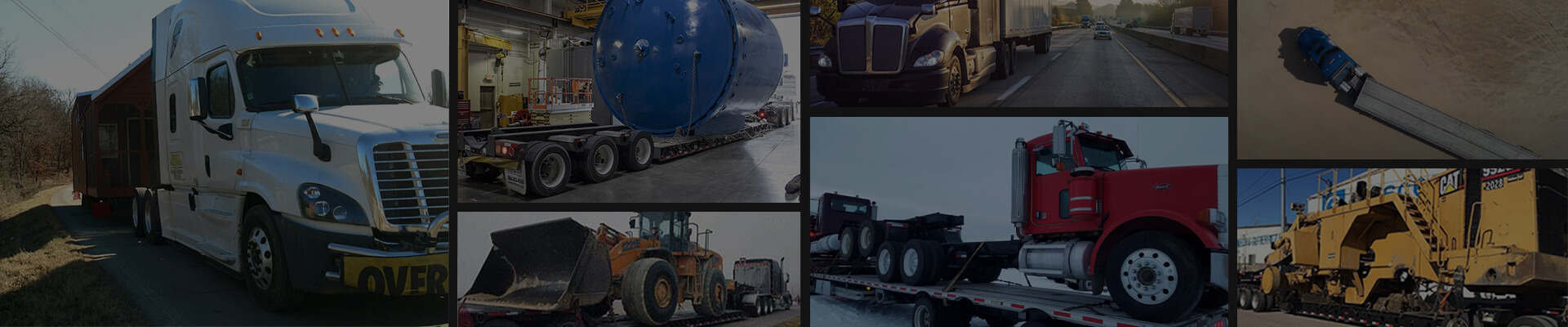
Moving heavy equipment internationally involves securing the right permits and navigating strict weight restrictions while making sure oversized loads experience safe transit over long distances.
As oversized loads and machinery are transported across borders, they follow this multi-step process:
Because each country has unique transportation laws and regulations for oversized shipping, businesses must work with experienced carriers that specialize in international trucking to make the process as smooth as possible.
Successfully transporting oversized equipment across borders requires a combination of precise logistics and regulatory compliance. These factors determine how smoothly a shipment moves from one country to another.
International heavy haul trucking is essential for industries like construction, mining, and energy, where large-scale machinery and industrial equipment must move safely across multiple regions. Shipments include everything from excavators and cranes to turbines and prefabricated structures, all of which require specialized trailers and route planning.
Carriers handling cross-border transport must navigate varying road conditions and regional trucking laws. For example, trucking companies operating between the U.S. and Canada must comply with different weight limits, licensing requirements, and safety inspections depending on the province or state they are passing through.
Specialized carriers use advanced logistics tools to optimize routes, ensuring that large-scale shipments move efficiently while adhering to international transport regulations.
Navigating international trucking regulations is one of the biggest challenges for heavy haul carriers. Governments enforce strict requirements on vehicle standards and load dimensions.
For example, shipments traveling between the U.S. and Canada must comply with specific weight limits and safety protocols, while European transport laws mandate driver rest periods and strict emissions standards for heavy-duty trucks
Hauling oversized loads across borders often requires:
Failing to meet these regulations can result in delays and fines or denied entry at border crossings, making compliance a top priority.
Unlike standard freight, heavy haul loads are classified based on weight, dimensions, and industry-specific requirements. This classification determines import duties, taxes, and any exemptions that may apply.
For example:
Since tariff structures fluctuate based on trade policies, working with an experienced heavy haul logistics provider can help you maintain accurate classification and seamless customs clearance.
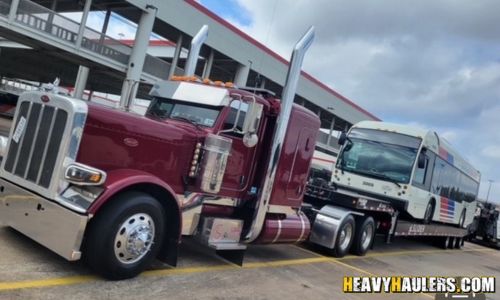
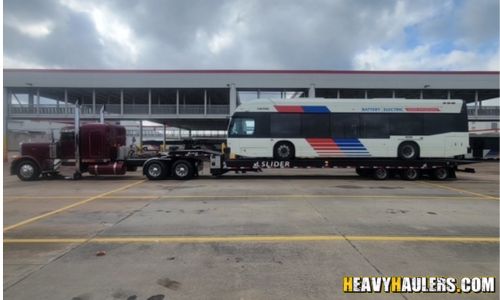
International trucking is not a one-size-fits-all operation. Different types of trucking services cater to loads of various sizes and weights. Choosing the right transport method keeps everything safe and in compliance with regulations.
Flatbed and lowboy trailers are commonly used for international heavy haul transport since they accommodate a wide range of oversized machinery and equipment.
For cargo that exceeds standard dimensions, step deck and extendable trailers provide flexible transport solutions.
Transporting specialized equipment internationally often requires custom hauling solutions and strict regulatory compliance. Industries such as construction, energy, aerospace, and manufacturing rely on heavy haul trucking to move high-value, oversized machinery that standard shipping methods cannot accommodate.
For example, industries in the energy and manufacturing sectors frequently transport massive industrial components that require highly customized transport solutions. For these shipments, detailed engineering studies and route surveys are often conducted to ensure safe passage through bridges and tunnels along urban roadways.
Hauling oversized machinery across borders often requires more than just trucks. Intermodal transport — combining trucking with rail, barge, or ferry — helps navigate road restrictions while improving efficiency for heavy equipment shipments.
Common intermodal solutions for oversized loads include:
By integrating multiple transport modes, you can ensure cost-effective and compliant international shipping for heavy equipment while avoiding unnecessary delays.
While international trucking is a crucial part of global trade, it comes with certain challenges that can cause delays and increase costs as logistics get more complicated. However, with the right strategies and industry expertise, many of these obstacles can be effectively managed.
Unlike standard freight transport, oversized loads and heavy machinery are subject to strict weight and dimensional limits that vary by country, state, or province. Overpasses and aging road infrastructure may not be equipped to handle extreme loads, so these shipments require detailed route planning and permits.
Solution:
Transporting oversized equipment internationally may also require special permits and escort vehicles, which vary by region. Some countries mandate police escorts, while others require detailed transport plans that must be approved weeks in advance.
Solution:
Heavy equipment transport carries inherent safety risks, including shifting loads and road hazards. Poorly secured machinery can cause serious accidents, while theft is a growing concern in certain regions.
Solution:
Long-haul routes for oversized loads can consume significant fuel, making international transport highly sensitive to fuel price fluctuations and emissions regulations. Some regions — especially in Europe — have strict environmental policies that limit certain engine types or require additional emissions permits.
Solution:
International trucking is a vital link in global supply chains, moving oversized equipment efficiently across borders while navigating complex regulations and logistical challenges.
Selecting the right trucking provider can make all the difference in regulatory compliance and cost-effective transport for oversized loads. By working with experienced carriers that offer strong industry expertise and a reliable network, you can minimize risks to large equipment and maintain seamless operations.
Need a reliable partner for oversized equipment transport? Heavy Haulers specializes in the safe and efficient movement of heavy machinery across borders. Contact us today to keep your equipment moving.




For transparent pricing and superior customer service on oversized equipment transportation, call Heavy Haulers today!
Throughout the years, Heavy Haulers has proven its unwavering commitment to quality, safety, and client satisfaction through the multiple awards and affiliations we've earned. When you partner with Heavy Haulers, you partner with trusted leaders in the transport industry.