Heavy Haulers
WHAT IS A TRUCK WEIGH STATION
AND WHY IT’S IMPORTANT IN TRANSPORT
What Is A Truck Weigh Station And Why It's Important In Transport
Every driver has seen the signs for a truck weigh station. It is a checkpoint where your rig gets weighed and inspected so the state can protect roads, bridges, and other drivers when it comes to oversize load transport.
More and more sites now use truck bypass weigh station technology, which lets safe, compliant carriers roll past the ramp and stay on schedule. When you know how weigh stations work, it gets a lot easier to stay legal, avoid delays, and keep fines off your record. At Heavy Haulers, we handle the routing, permits, and weight details so your equipment gets through the scale and back on the road.
Table of Contents
What Is A Truck Weigh Station?
A truck weigh station is a roadside checkpoint where commercial vehicles pull in so inspectors can verify weight, credentials, and basic safety. The main purpose of a weigh station is to confirm that your truck and load meet federal and state weight limits, which helps protect highways, bridges, and other drivers.
Most states use a Department of Transportation (DOT) weigh station network on major routes to monitor heavy truck traffic and screen for violations. You also see private Certified Automated Truck (CAT) scale locations at truck stops, where you can check axle and gross weights before you reach the ramp. Together, a truck weigh station and a CAT scale give you the information you need to stay compliant and keep your rig out of trouble.
Why Are Truck Weigh Stations Important?
If you have ever asked, “Why are there truck weigh stations?”, the answer comes down to protection and fairness. The purpose of weigh stations is to:
-
Protect roads and bridges
-
Support fair fuel and freight taxation
-
Keep highway safety in check
Overweight trucks grind ruts into pavement, crack bridge decks, and push repair costs higher for everyone. Extra weight also stretches stopping distance, strains brakes, and raises the risk of rollovers or loss of control.
DOT officers use each weigh station as a control point to check weight, permits, and sometimes basic equipment. When they find problems, they can order a rework of the load, take a truck out of service, or write fines. That pressure keeps carriers honest and traffic safer.
Ready to Haul Your
Heavy Machinery?
Connect with transport specialists who know
how to get your load there safely and on time.
Connect with transport specialists who know how to get your load there safely and on time.
The Importance Of Weigh Stations For The Equipment Transport Process
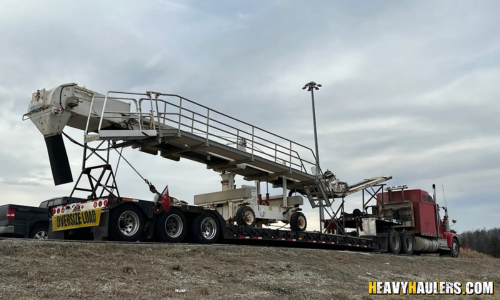
For heavy equipment transport, weigh stations sit at the center of a smooth run. Every lowboy, RGN, or step deck has limits on gross, axle, and bridge weight. If your load shows up overweight or misbalanced at the ramp, you risk fines, delays, or even an out-of-service order.
We build each move around those scale checks. That means planning routes around open sites, setting axle spreads correctly, and confirming permits match real weights so your crane transport, dozer shipment, or oversize haul clears the scale and keeps rolling.
Pilot Cars That
Go the Distance
Fully certified, insured, and DOT-compliant.
We're ready when you are. Call us or get a free quote today!
Pilot Cars That
Go the Distance
Fully certified, insured, and DOT-compliant.
We're ready when you are. Call us or get a free quote today!
How Do Truck Weigh Stations Work?
Truck weigh stations follow a simple flow so officers can check weight and basic compliance without wrecking your schedule.
-
1.Signs alert you to an upcoming weigh station.
-
2.Open ramps require trucks to exit the highway.
-
3.You pull into the scale area and follow lane directions.
-
4.The truck is weighed by axle or as total gross weight.
-
5.Officials may review registration, IFTA, permits, and safety logs.
Some sites use old-school static scales, where you pull up and stop on a platform. Others use weigh-in-motion systems that read your weight as you roll slowly across built-in sensors.
If a truck is overweight, officers can issue fines, hold the vehicle on site, and require you to shift or offload cargo before you leave the weigh station.
What Is A Truck Bypass Weigh Station?
A truck bypass weigh station system uses transponders or mobile apps to screen your truck while you stay at highway speed. If your record checks out, the system sends a bypass signal so you can roll past the open scales instead of taking the ramp. Many drivers use services like PrePass, Drivewyze, and similar apps to make that happen. Benefits of a truck bypass weigh station include:
-
Saving time by skipping ramp lines.
-
Cutting fuel use from fewer slowdowns and accelerations.
-
Reducing congestion at busy weigh stations.
-
Lowering wear on brakes, tires, and driveline parts.
By using a trusted weigh station bypass service, safe carriers keep freight moving, keep CSA scores strong, and still give states the data they need from truck scale locations.
How Bypass Technology Works
Bypass technology lets safe fleets clear active scales without leaving highway speed. The system connects your truck, the weigh station, and state enforcement in real time.
-
1.A transponder or app sends truck and carrier data to the weigh station system.
-
2.Weigh-in-motion sensors and receivers read your weight and pull safety, credential, and screening data.
-
3.If everything meets state rules, the system returns a clear “Bypass” signal to your cab.
Most setups blend weigh-in-motion (WIM) with an electronic clearance system, so screening happens before you ever reach the ramp.
Get Your Rapid Transport Quote Now
See how easy it is to ship with the pros
CAT Scales And Truck Scale Locations
CAT scales are commercial scales you use by choice to confirm weight before you reach a DOT checkpoint. Unlike a DOT weigh station, which is a mandatory enforcement site, CAT scales give you a chance to check and adjust your load first. You find these truck scale locations all across the U.S., often listed in truck stop apps, GPS units, and online maps. Here is why a lot of drivers like using CAT scales:
-
Solid, repeatable readings that help you balance axle and gross weight.
-
A printed or digital ticket you can show to shippers, receivers, or inspectors.
-
Easy access at big truck stops like Pilot, Love’s, and TA.
Using CAT scales before the ramp helps you stay compliant and avoid surprises at the DOT scale.
The Purpose Behind Weigh Station Bypass Services
Weigh station bypass services exist to reward carriers that do things right and to keep freight flowing. Instead of pulling every truck into the ramp, states use these programs to clear safe, compliant units so inspectors can focus on higher-risk traffic. That helps fleet efficiency, cuts stress for drivers, and gives shippers more predictable transit times.
Bypass networks also promote safety transparency, since screening ties directly to CSA scores and inspection history. Not every truck qualifies. Safety ratings, active registration, and recent inspection results all matter. At Heavy Haulers, we build each move around clean paperwork and correct weights so your permits, registrations, and documentation are ready before you reach either a scale or a bypass decision point.
The Risks Of Ignoring Or Misusing Weigh Stations
Skipping a weigh station or misusing a bypass signal is never a small issue. Enforcement treats it as a direct safety and compliance problem. That hits your wallet and your record. Ignoring weight stations can cause the following headaches:
-
DOT fines that climb fast with weight and repeat offenses.
-
Points on your CDL and possible license suspension.
-
Hits to your carrier’s CSA and overall safety score.
-
Delays from being pulled in for full inspections later.
Bypass systems only work legally when you are pre-approved and follow the signal every time. That is why experienced logistics planning matters, especially when it comes to building routes, obtaining permits, and making weight plans.
How Heavy Haulers Keeps Your Haul Compliant
At Heavy Haulers, we treat scale compliance as part of the load plan, not an extra step. Our team manages weight limits, permits, and bypass coordination so your equipment reaches each checkpoint ready to roll. We handle all the details:
-
Route planning that accounts for weigh stations and WIM sites.
-
Making sure every oversize and overweight permit is current and correct.
-
Matching your freight with drivers who understand DOT rules and scale procedures.
By lining up routing, permits, and driver experience on the front end, we help you avoid surprise reweighs, fines, and last-minute detours that throw off your schedule.
Quick Reference—When To Stop And When To Bypass
Use this as a simple checklist before you reach the ramp.
-
Required by signage or DOT instruction.
-
Overweight or oversize load without a bypass credential.
-
Random inspection notice or officer signal.
-
Approved through a transponder or mobile app.
-
Vehicle and carrier meet all inspection and credential requirements.
-
System clearly signals “Bypass” on your device.
When in doubt, take the ramp and stop.
Stay Ahead Of The Scale On Every Haul
Truck weigh stations and bypass systems are part of every smart transport plan. Scales protect roads, set the rules for weight and safety, and bypass technology rewards fleets that keep their records clean.
Heavy Haulers builds each move around compliance in all 50 states, from routing and permits to the drivers we trust with your equipment. Stay compliant, save time, and ship smarter with Heavy Haulers. Call today at (800) 908-6206 for a customized transport quote.
Ready To Haul Your Equipment?
Our specialists are here to make
your
transport simple and stress-free.
FAQ - Weigh Stations
What is the purpose of a truck weigh station?
A truck weigh station exists to check commercial vehicle weight and basic compliance. It helps protect roads and bridges from damage, supports fair freight and fuel taxation, and improves safety by spotting overweight or unsafe trucks.
How does a truck bypass weigh station work?
A bypass system uses a transponder or mobile app to send truck and carrier data to the weigh station. Sensors read your weight and safety record. If everything meets the rules, the system sends a “Bypass” signal so you can stay on the mainline.
What’s the difference between DOT weigh stations and CAT scales?
DOT weigh stations are government enforcement points. Stopping is mandatory when they are open, and you are required to report. CAT scales are commercial truck stop scales that drivers use by choice to check and document weight before reaching a DOT site.
Why are weigh station bypass services important for truck drivers?
Bypass services cut time spent in line, reduce fuel burn from constant stopping and starting, and help keep schedules on track. They also reward fleets with strong safety records by letting inspectors focus on higher-risk trucks.
How does Heavy Haulers help drivers stay compliant at weigh stations?
Heavy Haulers plans each move with weight limits, permits, and scale checks in mind. We route around problem spots, match your freight to the right trailer, confirm oversize and overweight permits, and work with drivers who understand DOT rules and bypass systems.
Heavy Haulers Knowledge Base
Table of Contents
Ready To Haul Your Equipment?
Our heavy haul specialists are ready
to guide you through the process.
Popular Articles
2026 Equipment Hauling Pricing Guide
Our goal in this 2026 Equipment Hauling Pricing Guide is to give you a clear...
Read More
Crossing State Lines With An Oversize Load: What Changes The Moment You Enter A New State
Crossing state lines is where oversize load transport gets tricky fast. You need a plan...
Read More
What Is A Truck Weigh Station And Why It's Important In Transport
Every driver has seen the signs for a truck weigh station. It is a checkpoint...
Read More
What Is A Pilot Car?
Moving big freight changes the rules of the road. Clearances shrink. Lanes tighten. Timetables push...
Read MorePopular Articles
2026 Equipment Hauling Pricing Guide
Our goal in this 2026 Equipment Hauling Pricing Guide is to give you a clear...
Read More
Crossing State Lines With An Oversize Load: What Changes The Moment You Enter A New State
Crossing state lines is where oversize load transport gets tricky fast. You need a plan...
Read More
What Is A Truck Weigh Station And Why It's Important In Transport
Every driver has seen the signs for a truck weigh station. It is a checkpoint...
Read More
What Is A Pilot Car?
Moving big freight changes the rules of the road. Clearances shrink. Lanes tighten. Timetables push...
Read More
What Are Logistics Services in Freight Transport?
Freight logistics is the planning and control of how equipment moves, from routing and permits...
Read More
What Are Shipping Services Companies?
Moving heavy or oversized freight takes more than a truck and a handshake. It takes...
Read MoreAdditional Resources
Explore expert insights on safe and efficient hauling.
Industry Knowledge Backed by Experts
With over a decade of experience, Heavy Haulers combines deep industry knowledge with up-to-date insights to help you plan, prepare, and execute equipment transport with confidence.
Evolving Industry Insights
Stay informed with regularly updated articles on transport trends, safety, and logistics.
Practical Planning Tools
Find clear guidance for choosing the right trailer, estimating costs, and streamlining your hauls.
Comprehensive Specs DataBase
Whether you’re comparing models, choosing the right trailer, or estimating shipping needs, you’ll find practical answers to keep your projects running smoothly.
Accurate Equipment Data
Simplified accurate specs and dimensions of all equipment models.
Right Equipment for the Job
Verifying specs ensures the equipment is the right fit for your project
HEAVYHAULERS.COM
START YOUR SHIPMENT TODAY!