


Choose Heavy Haulers Because We Set the Standard
Flange Transport Services
Flanges connect pipe systems, pressure vessels, and industrial equipment at joints where dimensional accuracy and face condition determine whether the assembly seals under pressure and performs as designed. A flange that arrives with a damaged face, a distorted bolt circle, or missing certification cannot be installed without field resolution that delays the entire piping or equipment assembly program. Heavy Haulers moves flanges of all types, materials, and quantities to industrial contractors, piping fabricators, and equipment manufacturers nationwide. Call today for a free flange shipping estimate.

Quick. Reliable. Hassle-Free.
Speak with an expert logistics agent to move your equipment quickly and at an affordable rate!
(800) 908-6206Flange Shipping Company Near You
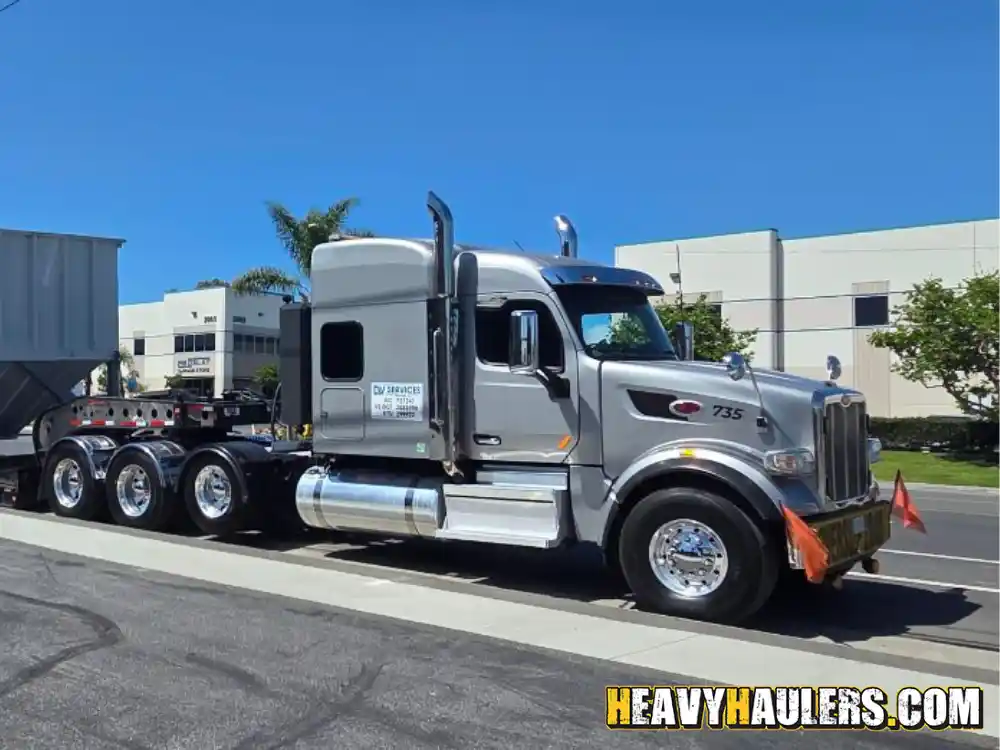
Flanges are safety-critical components in pressure systems where a sealing failure creates personnel safety and environmental consequences. The face condition, bore geometry, and bolt circle accuracy of every flange determines the integrity of the joint it creates in service.
Our team has over 16 years of experience moving flanges with the face protection, dimensional care, and material certification management that pressure system applications require. Call Heavy Haulers today for reliable flange hauling and get your free shipping estimate.
Understanding the Challenges of Flange Transport
The flange face is the precision-machined surface that the gasket seats against to create a pressure-tight seal. Raised face, ring type joint, and flat face flanges all have face configurations that are machined to specific surface finish and dimensional tolerances that determine gasket seating performance. A flange face that receives an impact mark, a scratch across the seating surface, or a corrosion pit during transport may not seat the gasket uniformly around the full face circumference, creating a leak path at the irregularity location. For pressure systems where leak testing is a code requirement before startup, a face condition failure discovered during pressure testing requires joint disassembly and flange replacement that delays commissioning.
Weld neck flanges arrive from the manufacturer with a bore and weld prep configuration that must match the pipe wall thickness and weld joint geometry specified in the piping design. Damage to the bore surface or weld prep area during transport creates fit-up problems at the pipe-to-flange weld joint that the pipe welder has to correct before welding can begin. For bore damage that affects the weld prep geometry, field correction may require machining equipment that is not available at the pipe fabrication or field installation location.
Flange bolt circles and bolt hole patterns are machined to dimensional standards that allow the bolt circle of one flange to align with the bolt circle of the mating flange when the joint is assembled. Dimensional distortion of the flange body from impact or improper blocking during transport can change the bolt circle diameter or shift individual bolt hole positions in ways that prevent the flanges from aligning properly during joint assembly. For large-diameter flanges where distortion forces during transport are higher due to flange body stiffness limitations, dimensional protection during loading and transit is a specific concern.
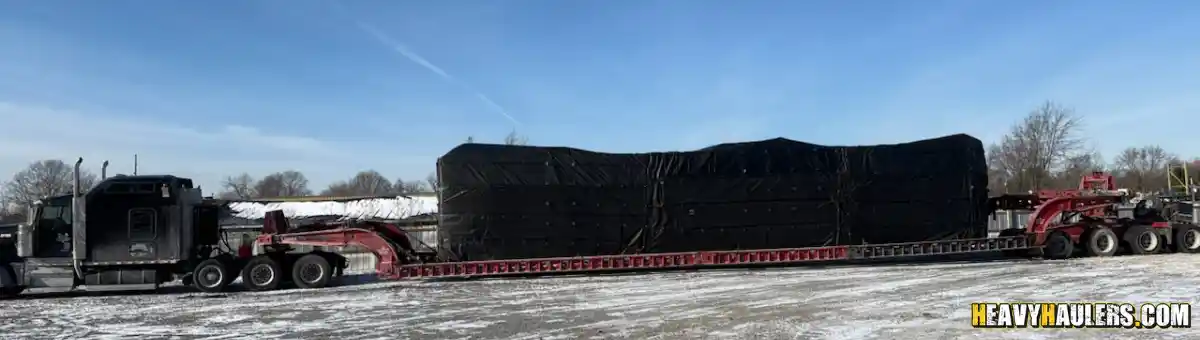
Flanges used in ASME-coded pressure systems require material certifications that trace each flange to its mill heat of origin and verify alloy composition, mechanical properties, and heat treatment condition. Those certifications must accompany the flange through every supply chain transfer and must be available at the fabrication or installation site for the code inspector's review before the joint is welded or assembled. A certification that is lost or damaged during transport creates a code compliance issue that stops the piping or vessel fabrication program until the documentation is restored.
Large-diameter flanges for pressure vessel nozzles, heat exchanger connections, and large bore piping systems can weigh hundreds or thousands of pounds per flange. Handling those flanges requires crane or forklift equipment sized for the flange weight and positioned for the flange geometry. A receiving facility whose handling equipment cannot safely manage the flange weight creates an offloading situation that was not planned for. Confirming handling equipment capability at the receiving facility before dispatch prevents the standby and improvised handling events that create flange face damage during offloading.
Stainless steel and nickel alloy flanges for corrosive service applications require freedom from carbon steel contamination that could initiate corrosion at the contamination point in the service environment. Carbon steel blocking materials, bare steel binder hardware contacting stainless flange faces, and stainless flanges stored adjacent to carbon steel products on the same trailer all create contamination events that require surface decontamination before the flange can be welded or assembled in a corrosion-resistant piping system.
HEAVYHAULERS.COM
START YOUR SHIPMENT TODAY!

How Heavy Haulers Ensures Efficient and Safe Flange Hauling
Every flange we haul has its face surface protected before loading with the protection type matched to the face configuration. Raised face and flat face flanges receive foam or plastic face protectors that cover the full seating surface. Ring type joint flanges receive groove protection that prevents debris entry and contact damage to the precision-machined groove geometry. No flange face contacts an unprotected surface at any point during loading, transit, or offloading. That face protection standard reflects the sealing performance consequence of face surface damage in pressure service.
Weld neck flange bores and weld prep areas receive plastic bore plugs or tape coverage before loading to prevent debris entry and surface damage to the weld preparation geometry. For flanges with precision-machined bore surfaces for slip fit or tight fit pipe engagement, bore protectors are confirmed in place and undamaged before the load is accepted. That bore protection approach preserves the weld prep geometry that the pipe welder depends on for a code-quality joint.
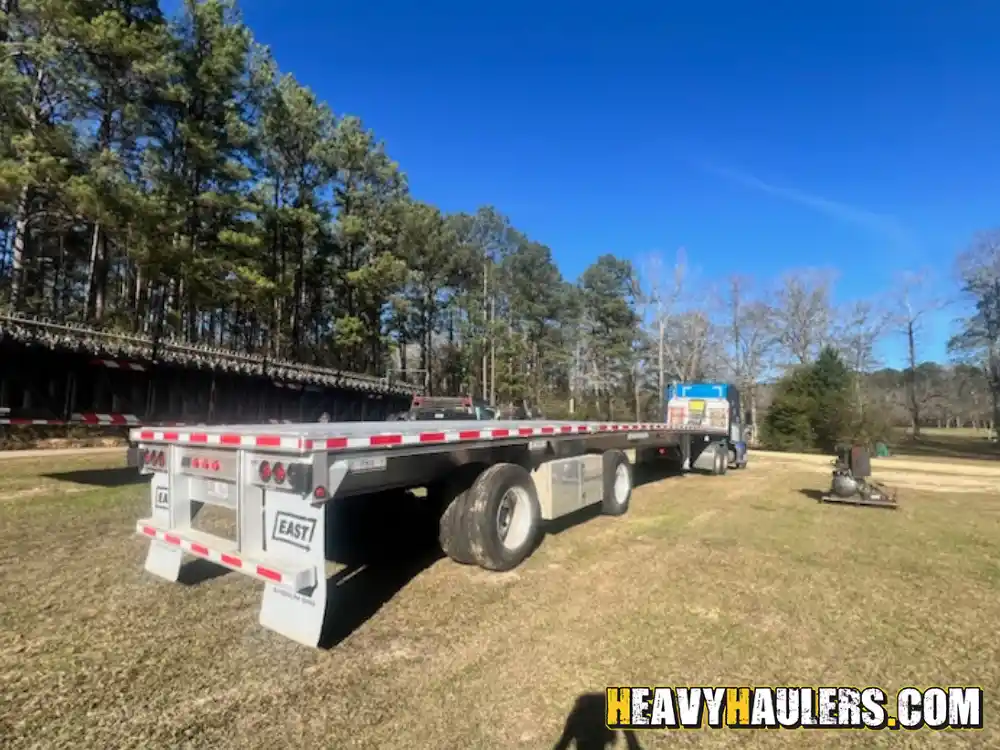
For large-diameter flanges where body distortion from improper blocking is a concern, our team places blocking at structural flange body locations that distribute transport loads without concentrating force on the flange body in directions that distort the bolt circle geometry. For heavy flanges stacked on the trailer, blocking is aligned vertically between flanges to transfer stacking load straight down through the blocking rather than across unsupported flange body spans. That dimensional protection approach maintains bolt circle accuracy through the transport.
Before any ASME-coded flange delivery is accepted, our logistics team confirms that material certifications with matching heat numbers are available and will travel with the delivery in a protected package. For pressure vessel and high-pressure piping applications, certification packages are confirmed against the customer's code requirements before the truck is loaded. Any certification gap is identified and resolved at the supply source before the flanges depart. That certification management approach keeps the code compliance documentation intact through every supply chain transfer.
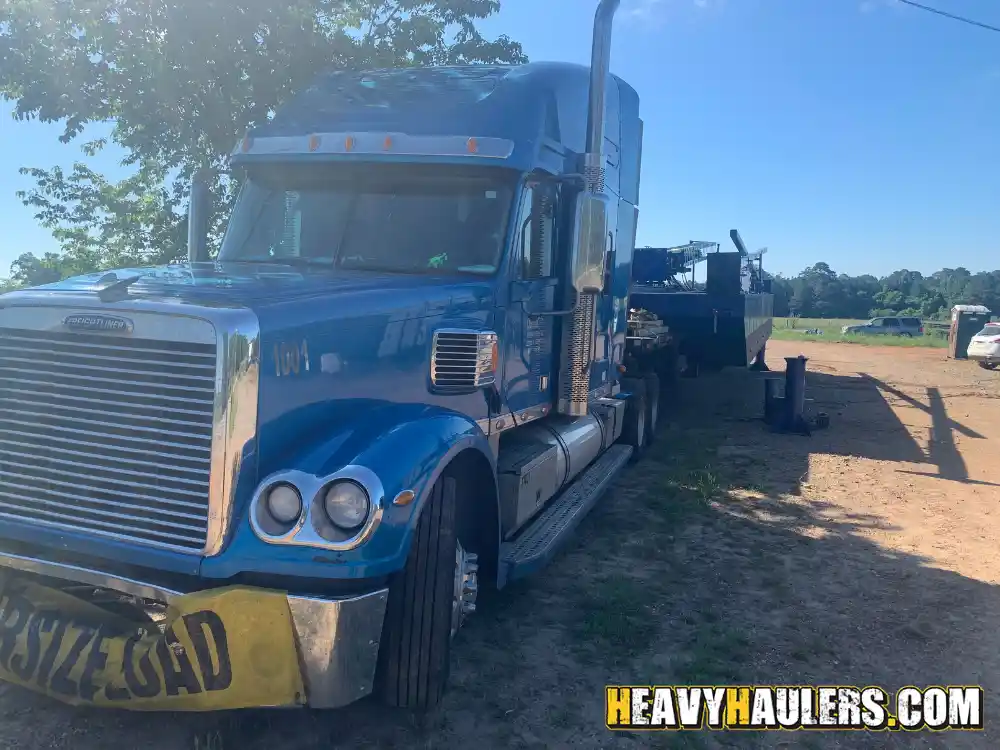
For stainless steel and nickel alloy flange deliveries, our team uses non-contaminating blocking materials and covered binder hardware throughout the load. Carbon steel contact with stainless or alloy flange surfaces is prevented at every loading and transit stage. For loads that include both carbon steel and stainless flanges, the two material types are loaded in separate, clearly identified sections with non-contaminating barrier material between them. That contamination prevention approach keeps stainless and alloy flanges in the clean condition that corrosion-resistant piping system assembly requires.
Before any flange delivery departs for a piping fabrication shop or plant construction site, your Heavy Haulers specialist confirms receiving availability, handling equipment readiness, and any code inspection scheduling requirements with the receiving team. For flanges where incoming material inspection must occur before fabrication begins, delivery timing is coordinated with the inspection team's schedule so flanges move from receiving to fabrication without unnecessary delay. That coordination keeps the piping fabrication or plant construction program on schedule from the moment the flanges arrive.

Ready To Haul Your Equipment?
Our Specialists Are Here To Make Your
Transport Simple And Stress-Free.
Why Choose Heavy Haulers for Flange Shipping Services?
Flanges are safety-critical components in pressure systems where face condition, dimensional accuracy, and material certification all directly affect the safety and regulatory compliance of the assembled system. A face damage event that creates a gasket leak path creates a pressure test failure that delays plant commissioning. A certification that arrives separately from the flanges creates a code compliance hold that stops fabrication. A carbon steel contamination event on stainless flanges requires surface decontamination before welding can proceed in a corrosion-resistant system. Heavy Haulers has been moving flanges for over 16 years with the face protection standards, certification management, and contamination prevention that piping contractors, vessel fabricators, and plant construction teams depend on when the joint has to seal and the code has to be satisfied.
Flange Face Protection That Reflects the Sealing Consequence
Full face coverage with configuration-matched protectors, bore plug installation, and no unprotected face contact at any handling point are applied as non-negotiable standards on every flange load. That face protection standard exists because a face damage event in pressure service creates a safety consequence that the freight cost cannot justify risking.
Fully Insured From Supplier to Fabrication or Installation Site
Every flange shipment carries full cargo insurance from the supply facility to the fabrication shop or plant construction site. Carbon steel, stainless, alloy steel, and specialty material flanges are all protected against loss or transit damage throughout the haul.
16 Years of Pressure System Component Transport
Heavy Haulers has been moving flanges and pressure system components for over 16 years. Our experience with face protection, bore condition management, material certification handling, and contamination prevention applies to every flange load we dispatch.
Every Customer From Individual Contractor to Major Plant Construction
Whether you are a contractor receiving flanges for a single piping modification or a plant construction team managing ongoing flange supply for a major project, Heavy Haulers moves flanges at any scale with the same face protection standards and dedicated specialist.
Code Compliance Documentation That Travels With Every Flange
Certification confirmation, heat number verification, and protected documentation packages that arrive with the flanges at the code inspection point are standard on every ASME and critical service flange delivery. Your inspector receives the documentation and the flanges together.
Heavy Haulers is here to make sure your flanges arrive in face condition and certified for your pressure system application. Contact us now for a free flange shipping estimate.
We've Got You Covered
Count on us for the tools and services you need to get the job done
right and keep your projects moving!
equipment specifications
suitable trailers per equipment
Planning Assistance
Regional transport guidelines
Our heavy equipment specialists are ready to help