

Choose Heavy Haulers Because We Set the Standard
Metal Casting Transport Services
Metal castings are produced through processes that take hours or days and cannot be quickly reproduced if transport damage renders a finished casting unusable. From iron pump housings to bronze architectural elements and aluminum automotive components, Heavy Haulers moves metal castings of all types and sizes to manufacturers, finishing operations, and industrial facilities nationwide. Call today for a free metal casting shipping estimate.

Quick. Reliable. Hassle-Free.
Speak with an expert logistics agent to move your equipment quickly and at an affordable rate!
(800) 908-6206Metal Casting Shipping Company Near You
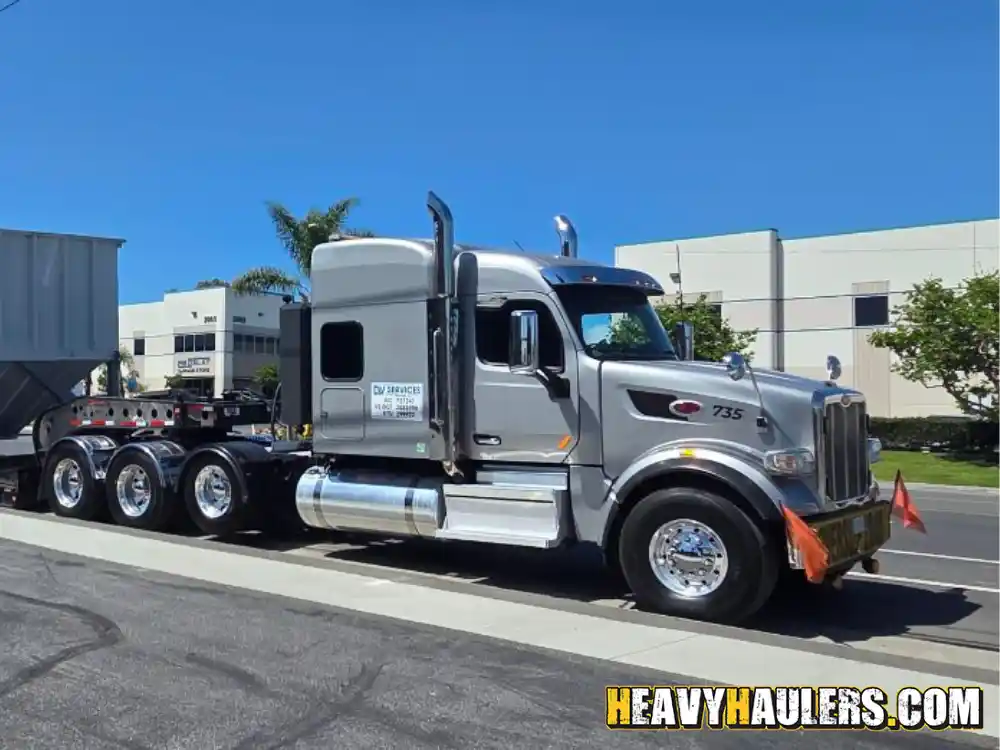
Metal castings are produced in processes that are material and time-intensive, and the foundry lead times for replacement castings range from weeks to months depending on pattern availability and production scheduling. A transport damage event that cracks a casting, breaks off a boss or flange, or creates a surface defect at a machined location creates a production gap that cannot be quickly closed.
Our team has over 16 years of experience moving metal castings with the impact protection, surface care, and production schedule coordination these components require. Call Heavy Haulers today for reliable metal casting hauling and get your free shipping estimate.
Understanding the Challenges of Metal Casting Transport
Cast metals, particularly gray iron and certain aluminum alloys, are more brittle than their wrought counterparts and are susceptible to cracking or fracture at stress concentrations from impact during transport. A gray iron casting that drops from handling height onto a hard surface, or that receives a concentrated impact from adjacent freight during transit, can develop internal cracks that are not visible externally but that cause premature failure in service. For pressure-containing castings and structural castings where crack-free condition is a service safety requirement, impact protection during transport is a quality-critical handling requirement.
Metal castings often incorporate thin wall sections, unsupported bosses, long projections, and internal passages that are integral to the casting's function but vulnerable to breakage during handling and transport. A pump casing with a thin-wall volute section, a valve body with a long threaded outlet boss, or a decorative bronze casting with fine detail projections all have features that break from relatively modest impact or contact force during loading and transit. Identifying and protecting those features before loading is the only way to deliver a complex casting with all its geometric features intact.
Castings destined for machining operations arrive from the foundry with as-cast surfaces that include the material stock required for the machining operations that will bring the casting to final dimensions. Surface damage during transport that removes stock from machined surfaces, or that introduces defects into the surface layer at machined locations, can eliminate the machining allowance at the damaged location and cause the part to be scrapped after machining investment has been made. Protecting the as-cast surfaces at machined locations preserves the machining allowance that the entire downstream production process depends on.
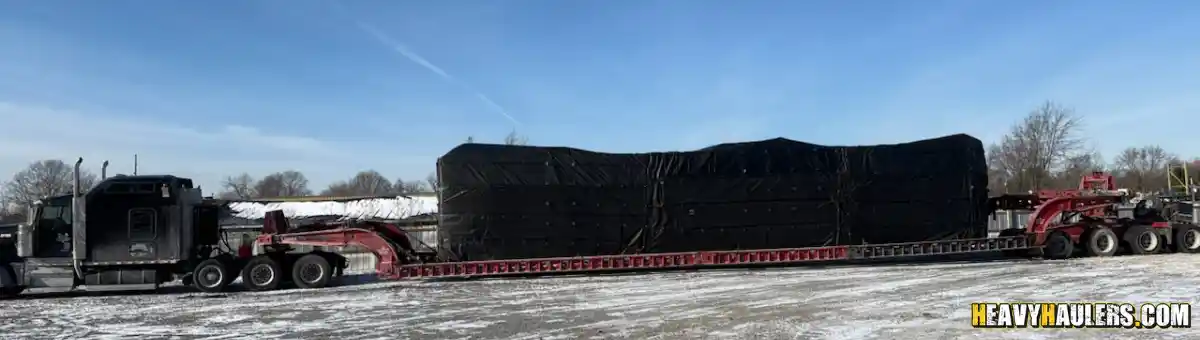
Metal castings span an enormous range of weights and dimensions from small precision investment castings weighing a few ounces to large industrial castings weighing tens of thousands of pounds. That weight and dimensional variation within a single casting category means the equipment, blocking, and securement approach has to be matched to the specific casting being shipped rather than to the casting category in general. A blocking setup appropriate for a 50-pound automotive casting is not appropriate for a 5,000-pound pump casing, and a load plan that treats them similarly creates handling risks for both.
When a casting is damaged during transport and requires replacement, the replacement timeline is governed by foundry scheduling and pattern availability. For castings produced from patterns that are owned by the customer or that are in active production at the foundry, replacement may be possible within weeks. For castings from patterns that require retooling or that are in a pattern storage queue at the foundry, replacement lead times can extend to months. Understanding the replacement consequence of a transport damage event on a specific casting type puts the investment in proper handling in perspective.
Investment castings, die castings, and near-net-shape castings for aerospace, medical, and precision industrial applications are subject to dimensional certification requirements that verify the casting meets the drawing dimensions before machining investment begins. Castings that arrive from the foundry or casting house with transport-induced dimensional deviation from impact or distortion may fail the incoming dimensional inspection, requiring re-certification testing or rejection. For aerospace investment castings where dimensional certification is a quality system requirement, incoming condition integrity is a supply chain quality input that transport handling directly affects.
HEAVYHAULERS.COM
START YOUR SHIPMENT TODAY!
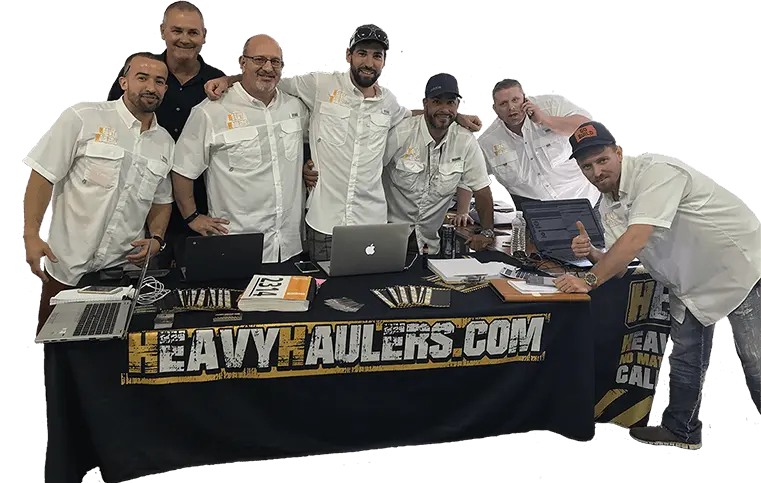
How Heavy Haulers Ensures Efficient and Safe Metal Casting Hauling
Before any casting load is accepted, our team reviews the casting geometry with the shipper to identify thin wall sections, unsupported bosses, long projections, and other fragile features that require targeted impact protection. Custom foam blocking, rubber cushioning, and protective crating for the most vulnerable features are applied before loading begins. For complex castings with multiple fragile features, a feature-by-feature protection plan is developed before the first casting goes on the trailer.
For gray iron, certain aluminum alloys, and other brittle cast metals, our loading crew builds the load to minimize the contact and impact events that initiate cracks in brittle material. Castings are positioned to prevent metal-on-metal contact with adjacent castings or trailer hardware. Cushioned blocking is used at all contact surfaces between castings and the trailer deck or blocking materials. For loads with multiple castings, the stacking sequence positions the most impact-sensitive castings where the vibration and shock environment during transit is minimized.
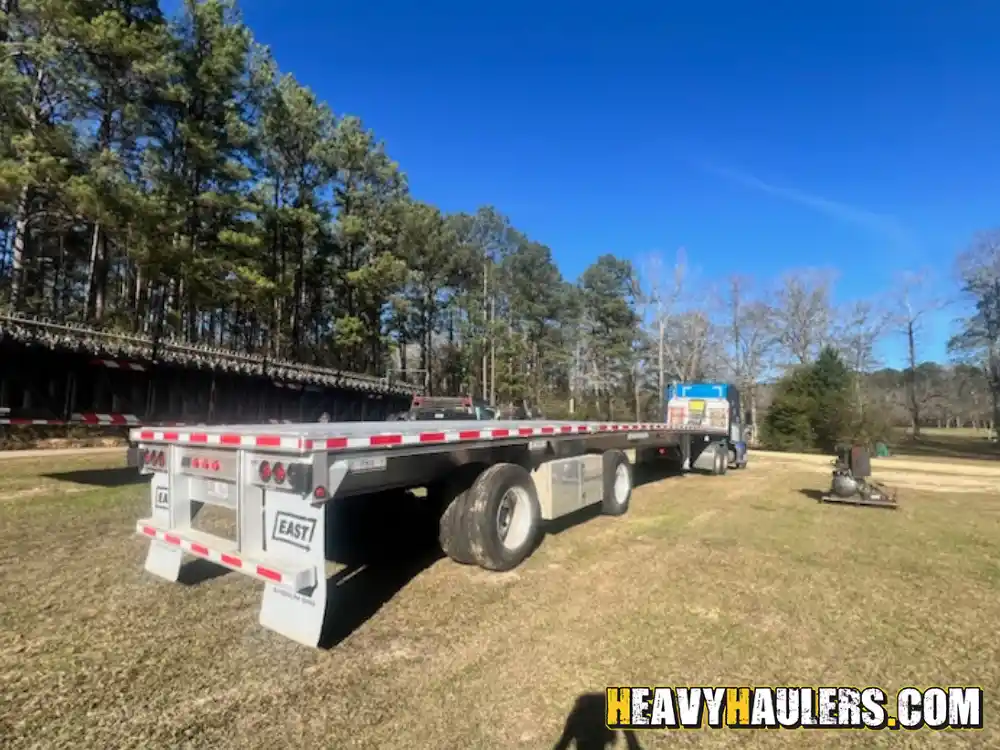
For castings destined for machining operations, our team identifies the machined surface locations on each casting and applies protective covering or padding at those locations before loading. Threaded holes and bores receive plastic plugs or tape covers to prevent debris entry and surface damage. Flat machined pads and bearing surfaces receive foam or rubber padding that prevents the direct contact that removes stock from the machining allowance. That targeted protection at machined locations preserves the dimensional allowance that the machining operation depends on.
For large industrial castings requiring crane or specialized lifting equipment at both loading and offloading, our logistics team confirms lift capacity, rigging requirements, and staging area dimensions at both facilities before the truck is dispatched. For small precision castings in bulk quantities, packaging integrity and impact protection requirements are confirmed before the load is accepted. That weight and dimension-matched approach ensures the right equipment and protection level is applied to the specific casting being shipped rather than defaulting to a one-size approach across all casting sizes.
Before any casting delivery departs for a machining facility or assembly operation, your Heavy Haulers specialist confirms receiving dock availability, crane or handling equipment readiness, and incoming inspection scheduling with the receiving facility. For castings where incoming dimensional inspection must occur before machining begins, delivery timing is coordinated with the inspection team's availability so the casting does not sit in receiving waiting for inspection personnel. That coordination keeps the machining program moving without unnecessary delays between casting receipt and machining start.
Every casting load is documented with casting identification, alloy type, as-shipped dimensional condition, and any pre-existing foundry characteristics noted by the shipper before loading. For aerospace and precision industrial investment castings with dimensional certification requirements, certification documentation travels with the delivery to the receiving inspection team. That documentation record supports incoming inspection and provides a clear baseline for any condition or dimensional questions that arise after the casting is received.
Ready To Haul Your Equipment?
Our Specialists Are Here To Make Your
Transport Simple And Stress-Free.
Why Choose Heavy Haulers for Metal Casting Shipping Services?
Metal castings carry foundry production investment and replacement lead times that make transport damage consequences far more serious than the freight cost suggests. A cracked pump casing discovered during machining, a broken boss on a valve body found during assembly, or a dimensional failure on an aerospace investment casting discovered at incoming inspection all create production gaps measured in weeks or months while replacement castings are produced. Heavy Haulers has been moving metal castings for over 16 years with the fragile feature protection, brittleness-aware load building, and production schedule coordination that foundries, machining operations, and assembly facilities depend on when casting condition at delivery determines production program continuity.
Fragile Feature Protection That Starts Before Loading
Feature-by-feature protection planning, custom foam blocking at vulnerable geometry, and brittleness-aware load building are all applied before the first casting goes on the trailer. That front-end protection planning reflects the real replacement consequences of fragile feature damage on complex metal castings.
Fully Insured From Foundry to Production Facility
Every metal casting shipment carries full cargo insurance from the foundry or casting house to the machining facility or assembly operation. Iron, steel, aluminum, bronze, and specialty alloy castings are all protected against loss or transit damage throughout the haul.
16 Years of Industrial Component Transport Experience
Heavy Haulers has been moving metal castings and industrial components for over 16 years. Our experience with brittle material handling, fragile feature protection, and precision casting documentation applies to every casting load we dispatch.
Every Customer From Individual Foundry to Major Industrial Operation
Whether you are a small foundry shipping a single custom casting or a production casting facility managing ongoing supply to an assembly operation, Heavy Haulers moves metal castings at any scale with the same fragile feature protection standards and dedicated specialist.
Production Schedule Alignment That Keeps Machining Programs Moving
Delivery timing coordinated with incoming inspection scheduling, machining program start dates, and assembly operation build schedules is standard on production casting deliveries. Your machining or assembly operation receives castings when the production program needs them.
Heavy Haulers is here to make sure your metal castings arrive intact and ready for your machining or assembly operation. Contact us now for a free metal casting shipping estimate.
We've Got You Covered
Count on us for the tools and services you need to get the job done
right and keep your projects moving!
equipment specifications
suitable trailers per equipment
Planning Assistance
Regional transport guidelines
Our heavy equipment specialists are ready to help