





Choose Heavy Haulers Because We Set the Standard
Acrylic Transport Services
Acrylic is a premium optical material that is specified for its clarity, color purity, and surface quality in applications where those properties define the finished product's value. A transport scratch, a UV haze, or a handling crack on acrylic sheet or formed product creates a loss that the fabricator cannot recover from without replacement material. Heavy Haulers moves acrylic of all grades, thicknesses, and quantities to sign fabricators, display manufacturers, architectural suppliers, and individual customers nationwide. Contact us today for a free acrylic shipping estimate.

Quick. Reliable. Hassle-Free.
Speak with an expert logistics agent to move your equipment quickly and at an affordable rate!
(800) 908-6206Acrylic Shipping Company Near You
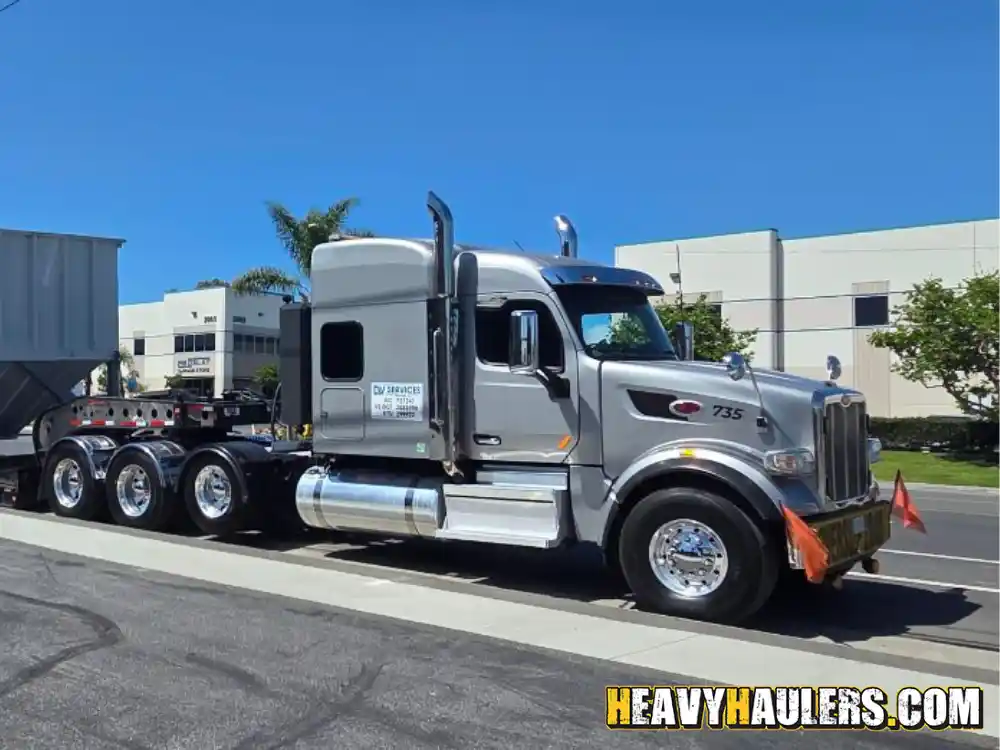
Acrylic is the optical plastic that customers and end users interact with directly in finished products, and its surface condition and optical quality at delivery translate directly into the quality of the display case, the sign face, or the architectural feature it becomes.
Our team has over 16 years of experience moving acrylic with the surface care and optical quality protection that sign fabricators and display manufacturers depend on. Call Heavy Haulers today for reliable acrylic hauling and get your free shipping estimate.
Understanding the Challenges of Acrylic Transport
Acrylic surfaces are softer than polycarbonate and scratch from contact with materials that would not mark either glass or polycarbonate. A single scratch across the face of a clear acrylic sheet is visible in the finished display or sign face from any viewing angle that allows reflected light from the scratch to reach the viewer's eye. Those scratches cannot be removed without optical polishing equipment that affects surface flatness, and on large-format sheet, optical polishing a scratch repair to an imperceptible level is effectively not achievable in a production fabrication shop environment.
Cast acrylic sheet and extruded acrylic sheet have different internal stress states and different handling sensitivity profiles that require different transport approaches. Cast acrylic is produced with low internal stress and is more dimensionally stable during temperature change but more susceptible to stress cracking from localized mechanical loading. Extruded acrylic has higher internal stress from the extrusion process and is more susceptible to stress cracking at edge damage locations, particularly after thermoforming operations that relax the extrusion stress. Handling both cast and extruded acrylic with the same approach creates different damage modes on each product type.
Acrylic is susceptible to stress cracking that initiates at edge damage and surface scratches when the sheet is under stress. A corner chip that appears to be minor cosmetic damage on a freshly delivered sheet can initiate a stress crack during thermoforming or during installation when the sheet is under thermal or mechanical stress. For fabricators who thermofrom acrylic into retail fixtures and display components, incoming edge condition is a production quality input that determines whether the sheet will thermofrom without cracking at the damaged locations.

Standard acrylic sheet without UV stabilizer yellows on extended UV exposure, though more slowly than polycarbonate. For clear acrylic in display applications where water-clear optical quality is the specification, UV-induced yellowing from a long open haul creates a perceptible tint that the display fabricator cannot attribute to anything other than the material's incoming condition. For UV-filtering acrylic used in museum display applications, UV exposure during transport consumes UV absorber content from the surface layer that was specified to protect the exhibits behind the acrylic.
Acrylic sheet ships from the manufacturer with protective masking film applied to one or both surfaces. The masking adhesive is selected for compatibility with acrylic and for clean removal. However, acrylic is more susceptible to masking adhesive migration than polycarbonate during hot-condition storage and transport, because acrylic's surface energy and its response to elevated temperature promote adhesive penetration into the surface layer. Masking left on acrylic during a hot summer haul and removed at the fabrication shop can leave an adhesive ghost pattern on the acrylic surface that requires solvent cleaning before fabrication can proceed.
Acrylic sheet for precision laser cutting, CNC routing, and close-tolerance fabrication applications requires dimensional flatness within the tolerances that the fabrication equipment's hold-down system can accommodate. A sheet with thermal bow from a constrained summer haul, or with permanent distortion from improper stacking support, cannot be held flat by the fabrication equipment's vacuum table, resulting in dimensional errors in the cut parts that trace back to the incoming sheet flatness condition.
HEAVYHAULERS.COM
START YOUR SHIPMENT TODAY!

How Heavy Haulers Ensures Efficient and Safe Acrylic Hauling
Our drivers inspect masking film condition on every acrylic shipment at the supply facility. For summer hauls where masking adhesive migration is a concern, our logistics team evaluates delivery timing and trailer conditions to minimize the hot-condition exposure time for masked acrylic. For large-format acrylic sheet on summer hauls, delivery scheduling during cooler parts of the day is considered when masking migration risk justifies the scheduling adjustment.
Before any acrylic load is accepted, our team identifies whether the acrylic is cast or extruded and applies handling protocols appropriate for each grade's stress sensitivity. Cast acrylic receives handling that avoids localized mechanical loading at any point on the sheet face. Extruded acrylic receives edge protection at all edge and corner locations where stress crack initiation is most likely to occur. For mixed cast and extruded loads, each grade is loaded with its own appropriate handling protocol applied independently.
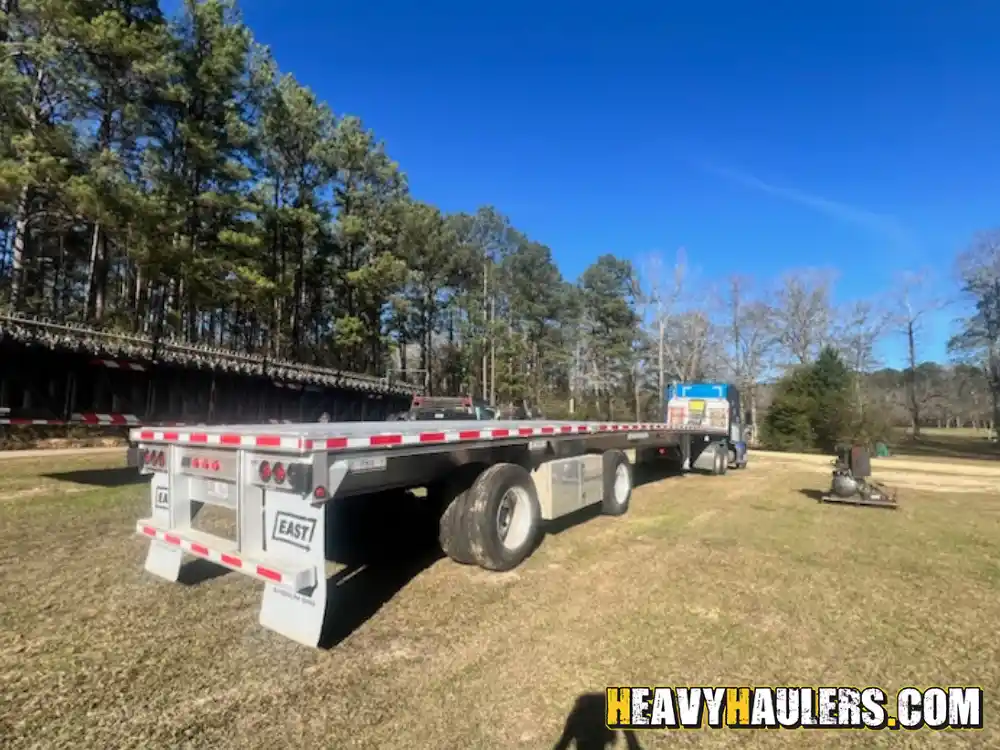
Every acrylic load we handle uses non-abrasive, acrylic-compatible separation materials between all sheet layers. No material with any surface hardness contacts acrylic sheet faces at any point during loading, transit, or offloading. Foam-backed separation, felt-faced material, or protective slip sheets are used throughout every acrylic load. Binder hardware is covered with rubber sleeves at every acrylic contact location. That non-abrasive standard reflects acrylic's position as the softest-surface optical plastic in common commercial use.
Acrylic sheet edges and corners receive foam edge protectors and rubber corner caps before loading. For extruded acrylic sheet where edge stress cracks are most likely to initiate, edge protectors are confirmed intact at every edge location before the load is secured. For large-format sheets where edge protection at the full perimeter represents significant preparation time, that time is applied as a standard practice because the edge condition at delivery determines thermoforming and fabrication outcomes.
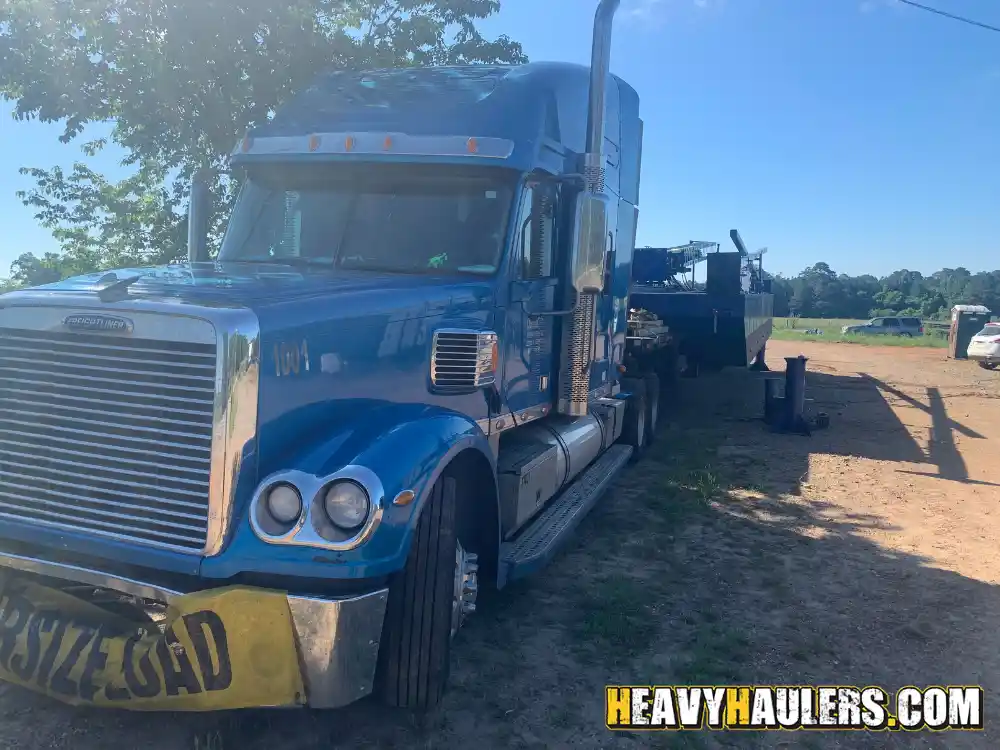
For acrylic sheet types with UV stability requirements including UV-filtering museum-grade acrylic and standard acrylic in applications where yellowing would be visible, opaque breathable covering is applied before any open flatbed haul. For transparent acrylic where the optical condition can be visually confirmed after removal of the covering, UV protection is applied as a standard practice regardless of trip length. That UV protection approach preserves the optical clarity and UV absorber content that acrylic applications specify.
Before any acrylic delivery departs for a sign or display fabrication facility, your Heavy Haulers specialist confirms receiving dock availability, sheet handling equipment readiness, and any production schedule requirements with the fabrication team. For fabrication shops where incoming acrylic is moved directly from the receiving dock to the cutting table, delivery timing is coordinated with production scheduling to minimize handling events between the truck and the fabrication equipment.

Ready To Haul Your Equipment?
Our Specialists Are Here To Make Your
Transport Simple And Stress-Free.
Why Choose Heavy Haulers for Acrylic Shipping Services?
Acrylic supply chain failures are visible in the finished sign, display, and architectural application that the fabricator produces from the affected material. A scratch on a clear acrylic sheet is in every display case or sign face fabricated from that sheet until the product is replaced. Masking adhesive residue from a hot haul requires solvent cleaning that was not planned in the fabrication schedule. Edge chips on extruded acrylic create stress cracks during thermoforming that scrap the parts produced from those locations. Heavy Haulers has been moving acrylic for over 16 years with the non-abrasive separation standards, masking film management, edge protection, and UV care that sign fabricators, display manufacturers, and architectural suppliers depend on when acrylic surface quality at delivery defines the quality of the finished product.
Non-Abrasive Contact as the Absolute Standard for Acrylic
Acrylic is the softest-surface optical plastic in common commercial use and it requires the strictest non-abrasive contact standard of any plastic material we transport. Foam-backed or felt-faced separation at every contact surface, covered binder hardware, and no material harder than soft foam anywhere on the load is the standard that every acrylic shipment receives.
Fully Insured From Manufacturer to Fabrication Facility
Every acrylic shipment carries full cargo insurance from the supply facility to the fabrication bench or installation site. Cast acrylic, extruded acrylic, UV-filtering museum-grade acrylic, and specialty formed acrylic products are all protected against loss or transit damage throughout the haul.
16 Years of Optical Plastic and Sign Material Transport
Heavy Haulers has been moving acrylic and optical plastic materials for over 16 years. Our experience with masking film management, cast vs extruded handling, edge stress crack prevention, and UV protection applies to every acrylic load we dispatch.
Every Customer From Individual Fabricator to Major Sign Company
Whether you are an individual fabricator receiving a single sheet order or a major sign company managing high-volume acrylic sheet supply, Heavy Haulers moves acrylic at any scale with the same non-abrasive standards and dedicated specialist.
Pricing That Reflects the Optical Quality Your Acrylic Requires
Acrylic shipping estimates from Heavy Haulers account for grade, cast or extruded type, surface finish, UV stability requirements, sheet dimensions, and delivery site conditions before a rate is provided. One honest number before the truck is assigned.
Heavy Haulers is here to make sure your acrylic arrives in optical condition and ready for your fabrication operation. Contact us now for a free acrylic shipping estimate.
We've Got You Covered
Count on us for the tools and services you need to get the job done
right and keep your projects moving!
equipment specifications
suitable trailers per equipment
Planning Assistance
Regional transport guidelines
Our heavy equipment specialists are ready to help