« Back to Knowledge Base

What are
Shipping Services Companies?

Moving heavy or oversized freight takes more than a truck and a handshake. It takes planning, the right equipment, clean paperwork, and people who live this work every day.

Published: September 3, 2025
Share This Article:

Darkened background of transport photos combined


What Are Shipping Service Companies?

Shipping service companies plan, coordinate, and move freight or equipment from origin to destination. Some own assets like tractors, trailers, and drivers. Others run as brokers or 3PLs and tap a vetted carrier network. Many do both, which gives you more options when your load has special needs.

In short, they act as your shipping department. Here’s what that looks like day to day:

  • Plan: Confirm weight, dimensions, and handling needs. Match the right trailer and route.
  • Move: Book trucks, schedule pickup, and coordinate any cranes, escorts, or transloads.
  • Manage: Handle permits, site restrictions, and timing with shippers and receivers.
  • Protect: Provide coverage details and help with claims if damage occurs.
  • Communicate: Track the load and report status until the job is complete.
William Thomas profile picture
William Thomas
Senior Logistics Manager
Contact William

How Freight Shipping Companies Work

Freight shipping companies make plans, line up capacity, and keep freight moving on time. Some run their own trucks and trailers. Others run a carrier network. Many do both. The work covers routing, permits, paperwork, and steady updates so you always know where your load sits.

Freight Carrier, Broker, and 3PL: What’s the Difference?

A freight carrier owns assets. Think tractors, trailers, drivers, and dispatch. You get direct control and set lanes, but capacity can be tight in peak seasons.

A freight broker connects your load to a vetted carrier. Brokers cover odd lanes fast and shop rates across the market. The best ones check safety, insurance, and past performance before booking.

A 3PL (third-party logistics provider) manages more than a single haul. They handle transport, warehousing, drayage, cross-docks, and reporting. Many 3PLs also broker and run assets, which gives you options when timing or specs change.

Truck Carrier, Equipment Carrier, and Transport Carrier

People use these terms in different ways. A truck carrier usually hauls general freight on dry vans, reefers, or standard flatbeds. An equipment carrier focuses on machinery and oversize freight. They run step-decks, RGNs, lowboys, and multi-axle setups with experienced heavy haul drivers. A transport carrier is a catch-all term that can mean any carrier moving goods.

For heavy equipment, the equipment carrier’s know-how matters. They match trailer decks to ground clearance, plan turning radii, and coordinate permits and escorts.

Core Steps From Quote to Delivery

Here’s how professional shipping service companies handle your equipment, from the first call to the signed POD.

  • Scope the load: Confirm weight, length, width, height, and any special handling needs.
  • Pick the trailer: Choose flatbed, step-deck, RGN, or multi-axle based on specs and site limits.
  • Plan the route: Check bridges, turns, construction, and curfews. Reserve permits and escorts if needed.
  • Schedule pickup: Align crane or rigging times, site access, and driver arrival windows.
  • Dispatch and track: Assign the driver, verify securement, and provide live status updates.
  • Manage exceptions: Reroute for weather, closures, or port delays. Communicate changes fast.
  • Deliver and document: Confirm delivery, get signatures, file the POD, and close out billing.

That playbook protects time, budget, and gear. It’s how we keep tough loads simple.

Shipping a cone bottom tank
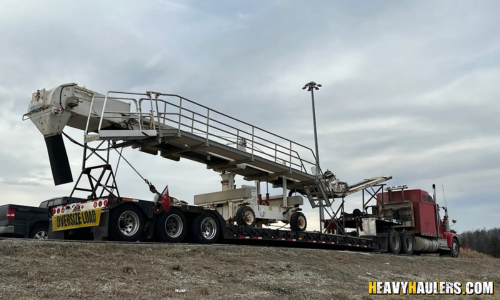
Transporting Asphalt Plant

Modes of Transport

You have more than one way to move freight. Shipping service companies match the mode to your timeline, budget, and risk. Many jobs use a mix, like road to rail or road to port. That’s how big moves stay on schedule. Options include:

  • Road: Best for door-to-door moves, tight timelines, and oversize control. We pick the right trailer, plan the route, and handle permits and escorts. Road gives you direct scheduling and clear communication.
  • Rail: Strong choice for long hauls on heavy freight. It lowers linehaul cost and reduces exposure to weather on certain lanes. We handle transload, blocking and bracing, and first- and last-mile trucking.
  • Ocean: Used for international and non-urgent domestic island moves. Options include breakbulk, Ro-Ro, and flat-rack containers for large machines. We book sailings, manage port drayage, and prepare export paperwork.
  • Air: Reserved for urgent or high-value shipments. Costs are higher, but transit is fast and predictable. We arrange crating, airport transfers, and required documentation.

Documentation and Compliance

Shipping service companies handle more than just the load. They also manage the paperwork associated with it. Clear, complete documents cut delays at gates, scales, ports, and borders. Freight shipping companies prepare, check, and share files before wheels roll.

Bill of Lading, Permits, and Incoterms

The bill of lading acts as a receipt and a contract. It lists shipper and consignee, equipment description, VIN or serial numbers, weight, dimensions, and condition notes. Photos at pickup help confirm state and securement. Electronic BOLs work for most lanes, and we attach the permit set to the trip packet.

Some loads need oversize or overweight permits before moving. These permits, issued by each state or province on the route, spell out things like:

  • Axles spacings:
  • Allowed weights:
  • Approved roads:
  • Travel windows:
  • Escort rules:

Shipping service companies apply for them, book escorts, and plan route surveys. They also keep copies of permits in the cab and in the cloud for easy access during inspections.

For international freight, Incoterms define who handles freight charges, risk transfer, and customs steps. Freight companies confirm the EXW, FOB, CIF, or DAP on the quote and paperwork. They prepare the docs so your load stays compliant and keeps moving.

Insurance, Liability, and Claims Handling

When deciding on shipping service companies, ask about their insurance and certification. Many carriers carry cargo limits that fit general freight, while heavy equipment may require higher limits or project-specific coverage. We confirm needs upfront and add coverage when required.

For interstate moves, liability falls under the Carmack Amendment, a federal law that makes motor carriers liable for damage or loss and sets claim timelines. If damage occurs, speed matters. Here's how you can help keep the claims process efficient:

  • Report: Note exceptions on the delivery receipt and alert us right away.
  • Document: Take photos, keep packing, and record serial numbers and hour meters.
  • Mitigate: Prevent further damage and save parts for inspection.
  • File: Send a written claim with invoices, repair estimates, and evidence.

We coordinate with the carrier and insurer, track the file, and keep you updated until it is resolved.

Transporting 2x CAT 637 Scrapers
William Thomas profile picture
William Thomas
Senior Logistics Manager
Contact William

Choosing the Right Shipping Service Companies

The right freight shipping company saves time, money, and headaches. You want proven heavy haul experience, clear communication, and clean paperwork. Price matters, but service and reliability protect your project.

When vetting shipping service companies, look past slogans. Ask for proof and check records. A short review now avoids long delays later:

  • Authority and safety: Verify MC and DOT numbers and review SAFER scores.
  • Insurance: Confirm active cargo and liability limits that match your load.
  • Heavy haul history: Request examples of similar size, weight, and routes.
  • Permits and escorts: Ask who files, who pays, and how they plan multi-state routes.
  • Gear and network: Check access to step-decks, RGNs, and multi-axle lowboys.
  • Operations: Look for 24/7 dispatch, load tracking, and exception handling.
  • Claims record: Ask for ratios, response times, and recent references.
  • Pricing clarity: Get a written quote with accessorials, fuel, and layover terms.

Pick the freight carrier who proves they can do the job you need, not the job they want.

Heavy Haulers Expertise

We move heavy equipment nationwide with a team built for complex loads. Our offices in Kentucky and Florida support 50-state coverage with trusted carrier capacity. For more than 16 years, we’ve hauled machinery for construction, industrial, and agricultural clients and kept projects on schedule.

How We Move Oversized Equipment

Every move starts with specs and ends with a signed POD. In between, we handle the details. We match trailers to ground clearance and weight. We map routes, file permits, and schedule escorts. We set crane and rigging times when needed. Your dispatcher tracks progress and keeps you posted until delivery.

On tall or heavy sets, we run route surveys and coordinate utilities. Tight sites get a plan for turns, staging, and traffic control. The goal is the same every time. Safe load. Safe road. Safe set.

How We Move Oversized Equipment

A complete picture lets us quote fast and move faster. Share the details below, and we’ll build a clean plan with clear pricing.

  • Dimensions: Length, width, height, and weight as shipped.
  • Make and ID: Make, model, and serial or VIN for the unit.
  • Pickup and delivery: Full addresses, site contacts, and hours.
  • Dates: Ready date, delivery window, and any blackout times.
  • Loading method: Drive-on, crane, forklift, or ramp, plus needed gear.
  • Attachments: Buckets, blades, tracks, or extras that change size or weight.
  • Photos: Current condition and tie-down points for planning and protection.
  • Site limits: Gate widths, overhead lines, grades, or soft ground.
  • Coverage needs: Cargo value and any project-specific insurance requests.
  • Border or port info: Customs broker, Incoterms, and reference numbers.

Send what you have, and we’ll handle the rest with a schedule and route that fit your job.

Let’s Move Your Load

You’ve got work to finish. We’ve got the crews, trailers, and know-how to get your equipment from gate to gate with clean paperwork and steady updates. Send your specs and timeline, and we’ll map the route, line up permits, and keep things on schedule. Let’s move your load. No delays. No excuses. Call (800) 908-6206 for a quote!


HEAVYHAULERS.COM
START YOUR SHIPMENT TODAY!

heavy haulers logistics agents

Call now for a FREE transport estimate

Videos of Heavy Haulers Transports

See Our Top Oversize Load Shipments!

Forklift Shipping Services
M5A1 Stuart Tank Transport
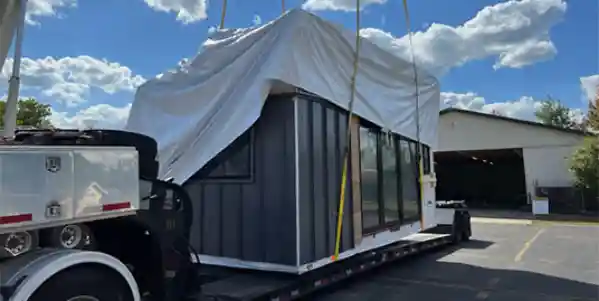
Tiny Home Transports
Shipping Barges in Bulk

Call now for a FREE transport estimate

Showcasing Our Transport Expertise

Featured Transports

Each month, Heavy Haulers features a transport by a standout agent. Featured transports spotlight the best transport and logistics agent of the month.


Click To See
All Of Our Featured Transports
Heavy Haulers In Action

Heavy Haulers offer trustworthy and reliable transportation services for all varieties of freight including shipments of individual, commercial, and heavy machinery.


Click To See
All Of Our Videos
See Recent Shipments

Our trained logistics professionals make sure your load arrives on time, and in the same shape in which it departed. See recent customers who’ve shared their move with us!


Click To See
All Of Our Photos

Affiliations & Awards

Work With An Award-Winning Company

Throughout the years, Heavy Haulers has proven its unwavering commitment to quality, safety, and client satisfaction through the multiple awards and affiliations we've earned. When you partner with Heavy Haulers, you partner with trusted leaders in the transport industry.
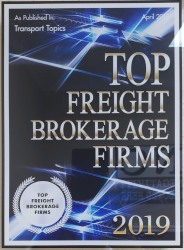

Top Freight Brokerage Firms 2019
Inc 500
Inc 5000
Inc 500
Inc 500
Inc 5000