

Heavy Haulers
What is a Pilot Car?
What is a Pilot Car?
 William Thomas
7 min read
Published Oct 2025
Updated 2026
William Thomas
7 min read
Published Oct 2025
Updated 2026
Moving big freight changes the rules of the road. Clearances shrink. Lanes tighten. Timetables push back.
A pilot car keeps that pressure from turning into problems. It's a vehicle that drives ahead of an oversize load to make sure the road is safe ahead.
With the right escort vehicle next to your team, you protect people, protect the machinery, and keep the schedule intact.
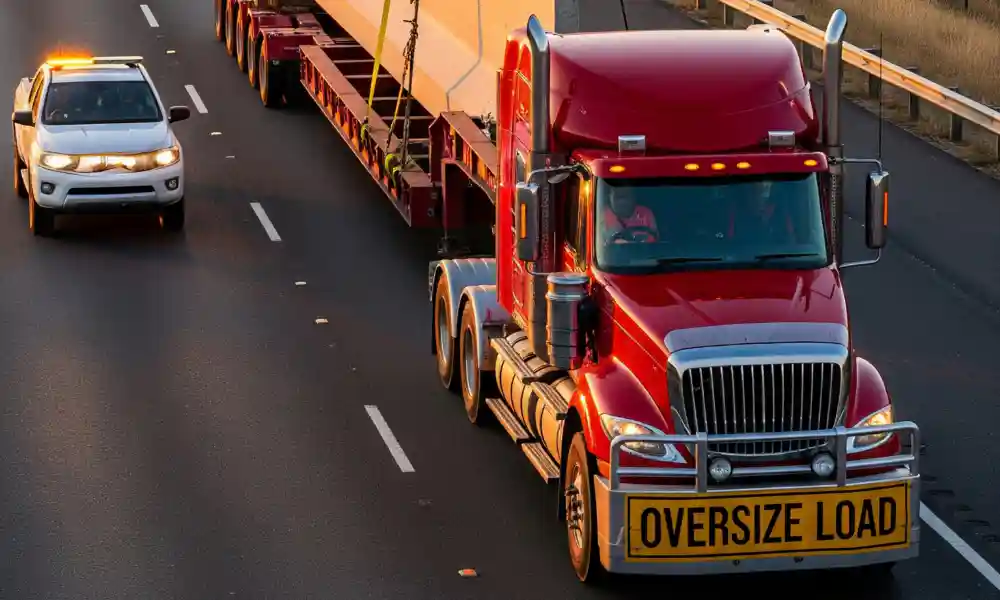
Table of Contents
What Is a Pilot Car?
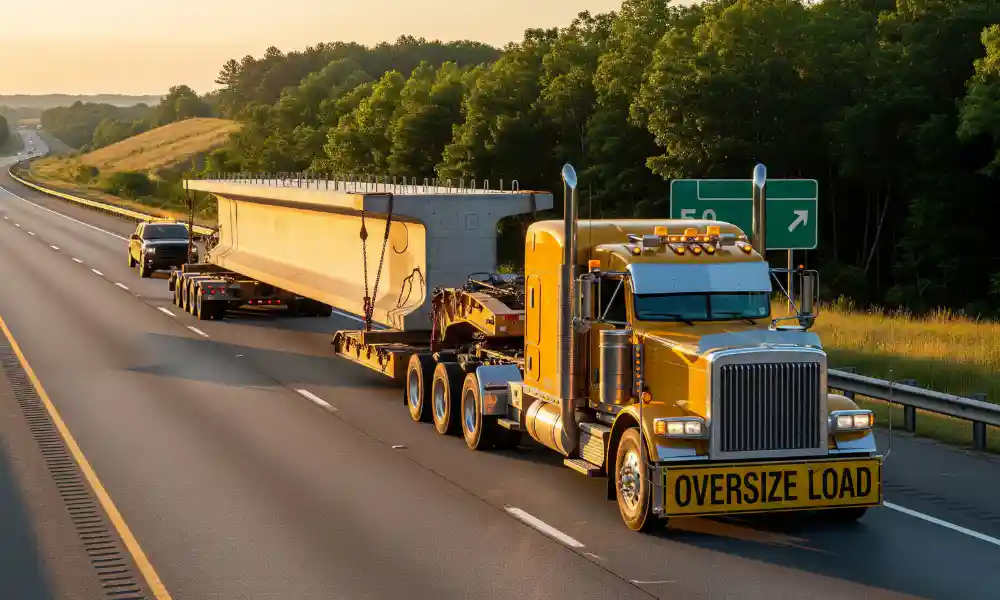
A pilot car is a support vehicle that drives ahead of or behind a truck hauling an oversize load or wide load. You might also hear the terms pilot vehicle, escort car, and escort vehicle thrown around. It watches the road, calls out hazards, and helps the driver make safe, legal moves.
Why does all that matter? Safety, legal compliance, and time. Pilot car drivers know permits, flagging laws, and signage requirements. They check heights, read traffic, and coordinate lane choices. That cuts the risk of collisions, citations, and forced detours.
Why Oversize Loads Need Pilot Cars
Moving an oversize load or wide load takes planning and teamwork. Pilot cars keep your route safe and on schedule.
-
SafetyKeeping roadways, crews, and the public safe.
-
ComplianceState-by-state oversize regulations.
-
EfficiencyAvoiding delays, ticketing, and damaged loads.
Pilot vehicles help you stick to permit terms, communicate hazards ahead, and reduce stops that burn time and money. They support the driver and cut the risk tied to oversize regulations across state lines.

Ready to Haul Your
Heavy Machinery?
Connect with transport specialists who know
how to get your load there safely and on time.
Connect with transport specialists who know how to get your load there safely and on time.
Types of Pilot Cars and Escort Vehicles
Every escort vehicle has a job. We match the setup to your dimensions, route, and permit so pilot car loads move cleanly from pickup to delivery.
The lead pilot vehicle runs ahead and reads the road in real time. They watch for lane drops, short merges, tight turns, bridge joints, work zones, and slow traffic. Over the radio and route notes, they set the pace, pick lanes, and time approaches so the truck enters each spot under control.
If they find a problem area on the route, they may scout on foot to confirm heights and check other obstacles. The goal is steady progress with no surprise stops.
The chase pilot car protects the rear of the load. They manage closing traffic, watch for aggressive drivers, and create a buffer that gives the truck room to maneuver. Clear signaling and steady spacing help with merges, lane changes, and exits.
They also monitor the load itself. That includes straps, chains, lights, flags, tires, and spray on wet roads. If something looks off, they call for a safe pull-off to inspect. Small issues get handled before they become emergencies.
A high pole pilot car leads tall loads with a nonconductive pole set slightly above the permitted height. They test wires, signals, catwalks, tree limbs, and sign brackets before the truck reaches them. Pole height is checked before roll-out and rechecked after stops, grade changes, or suspension adjustments.
If the pole touches or gets too close, they stop the move and measure. Then they coordinate a route change or utility assist as the permit allows.
A bucket truck escort rides with the convoy when overhead utilities or signals must be lifted or repositioned by authorized crews. The truck carries an insulated boom, hot sticks, and traffic control gear. Work is done under utility approval and permit rules.
The bucket crew stages at pinch points, confirms safe clearances, and moves lines only as allowed. They coordinate with pilot cars and, when present, law enforcement. If weather or traffic changes the plan, they pause the move and reset.
Pick the escort based on your permit notes, load dimensions, and route risks.
-
Lead pilot carRequired for many wide loads, tight corridors, and routes with curves, bridges, or work zones. Often used for night moves when allowed.
-
Chase pilot carCommon for wide loads on high-speed roads, heavy traffic, long overhangs, or frequent lane changes.
-
High pole pilot car/pole carNeeded for over-height moves where wires, signals, or signs may be low, or clearances are unverified.
-
Bucket truck escortUsed when utilities or signals must be lifted or adjusted by authorized crews per permit and local rules.
Check state oversize regulations and permit remarks. Some corridors require two escorts or specify spacing and equipment.
Pilot Cars That
Go the Distance
Fully certified, insured, and DOT-compliant.
We're ready when you are. Call us or get a free quote today!
Pilot Cars That
Go the Distance
Fully certified, insured, and DOT-compliant.
We're ready when you are. Call us or get a free quote today!
Pilot Car Equipment for Oversize Loads
Escort vehicles carry gear to communicate, warn traffic, and confirm clearances.
-
RadiosTwo-way units with backup CB for the driver and escort crew.
-
Warning lightsAmber beacons and strobes visible in daylight and at night.
-
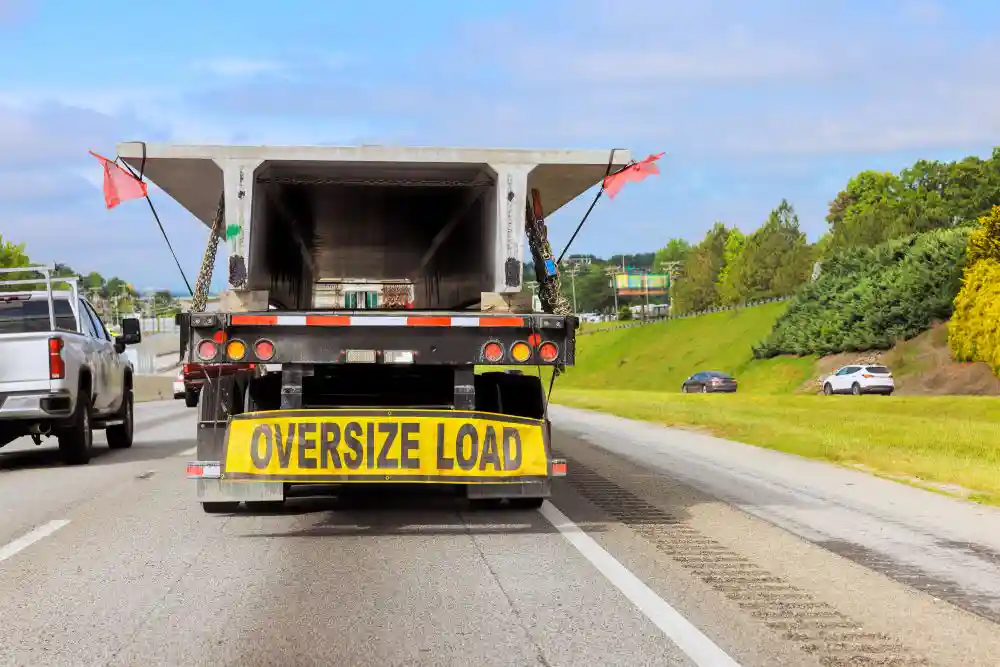
Signs and flags"OVERSIZE LOAD" or "WIDE LOAD" panels and red or orange flags.
-
High poleNonconductive, height-marked pole for tall load checks.
-
Traffic controlStop/slow paddle, reflective triangles, cones, and flares where allowed.
-
Navigation and surveyGPS, maps, and route survey sheets with turn notes.
-
Safety gear and toolsReflective vest, hard hat, gloves, tape measure, flashlight, spare fuses, and a fire extinguisher.
Pilot Car Driver Responsibilities
A pilot car driver is your rolling lookout. Their main responsibilities are to:
-
Communicate with the truck driver.
-
Warn and guide traffic.
-
Navigate tough routes.
-
Handle unexpected challenges (accidents, road closures, weather).
They stay on the radio, call out hazards, and keep spacing tight. The pilot car driver positions the escort vehicle for visibility, protects the load, and helps the truck finish the route without surprises.
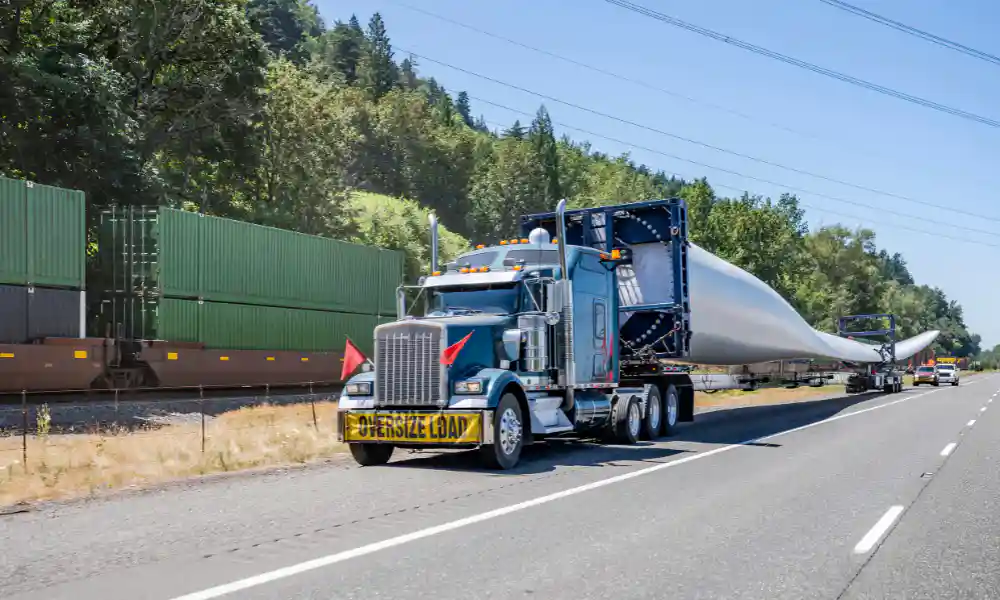
Pilot Cars vs. Police Escorts
Some oversize moves call for more than pilot cars. Permits and local rules decide if law enforcement joins the convoy. The goal is the same. Keep people safe, protect the load, and keep traffic moving.
A police escort is a marked law enforcement unit assigned to the move. Officers drive ahead or alongside to manage traffic for an oversize load. They coordinate with dispatch, block intersections when allowed, pace speeds, and help the convoy clear tight or high-risk areas.
Police escorts are required when permits specify them. Triggers can include extreme width or length, tight urban corridors, bridges and tunnels, peak-hour windows, stadium or event zones, and sensitive routes. Some states add a police escort on top of pilot cars. Others use police instead of pilots on certain roads or at certain times.
Pilot cars communicate hazards and help the driver set up safe moves. A police escort holds legal authority. Officers can direct traffic, control intersections, and enforce closures.
Get Your Rapid Transport Quote Now
See how easy it is to ship with the pros
State Regulations for Pilot Cars
Oversize regulations change by state. Each state sets different rules for escort counts, signage, and allowed travel hours. What passes in one state can get you stopped in the next, so we plan each leg to match the permit and route.
-
Permit rulesEscort counts, lane restrictions, curfews, and holiday limits.
-
Flagging lawsFlag size and placement, who can direct traffic, and high-visibility gear.
-
Signage and lighting"OVERSIZE LOAD" or "WIDE LOAD" panels, amber beacons, and height poles.
-
Escort placement and spacingLead, chase, and high pole positions by route and speed.
-
Docs and communicationsPermits in cab, radio channels, and contact info for agencies.
Here’s a clear example of how rules differ. Tennessee never allows many oversize loads on Sundays. Kentucky allows oversize transport seven days a week and on holidays.
Also, Tennessee calls for front and rear escorts at 120ft overall length. Kentucky requires front and rear escorts over 85ft on two-lane roads.
If you’re crossing the Kentucky and Tennessee border with an oversize load, even a small mistake can lead to heavy fines and a shutdown. With regulations shifting by state, partnering with an experienced oversize load pilot car team helps you avoid tickets, delays, and stopped loads.
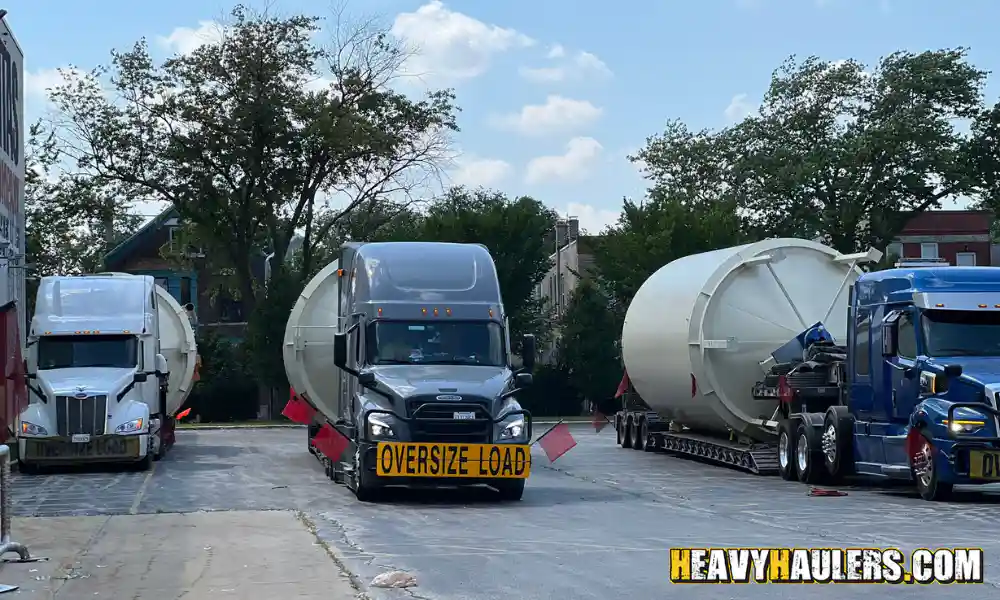
Why Choosing the Right Pilot Car Service Matters
Cutting corners on escorts can cost you. Fines, accidents, and delays stack up fast. State rules change at every border, and the right pilot car setup keeps you legal and visible. That protects your crew, your equipment, and every driver around you.
Experienced, vetted pilot car drivers read the road and the permit at the same time. They know flagging laws, signage, and clearance risks. That means fewer stops, cleaner lane changes, and no last-minute detours.
When we move your oversize load, we coordinate every detail, including licensed, insured pilot cars. We handle the plan so you can focus on the job.
Heavy Haulers and Pilot Cars
Heavy Haulers runs a national network of vetted pilot car drivers who know routes, heights, and widths by heart. You get the right escort mix for your permits and schedule.
We’re transparent from the first quote. No surprises, just on-time delivery with clear communication at every step. Let’s move your load. No delays. No excuses. Call us at (800) 908-6206 for a quote.
Reliable Pilot Cars for Oversize Loads
Pilot cars safeguard people and freight while helping you follow state rules on signs, flags, lights, and travel hours. They reduce surprises, shorten stops, and support clean entries through tight turns, work zones, and low wires. In short, they keep your oversize load moving.
With Heavy Haulers, pilot cars are one more piece we handle for you. We coordinate licensed, insured escorts, match the setup to your permits, and keep communication clear from start to finish. Start your quote today.

Ready To Haul Your Equipment?
Our specialists are here to make
your
transport simple and stress-free.
Heavy Haulers Knowledge Base
Table of Contents

Ready To Haul Your Equipment?
Our heavy haul specialists are ready
to guide you through the process.
Popular Articles
2026 Equipment Hauling Pricing Guide
Our goal in this 2026 Equipment Hauling Pricing Guide is to give you a clear...
Read More
Crossing State Lines With An Oversize Load: What Changes The Moment You Enter A New State
Crossing state lines is where oversize load transport gets tricky fast. You need a plan...
Read More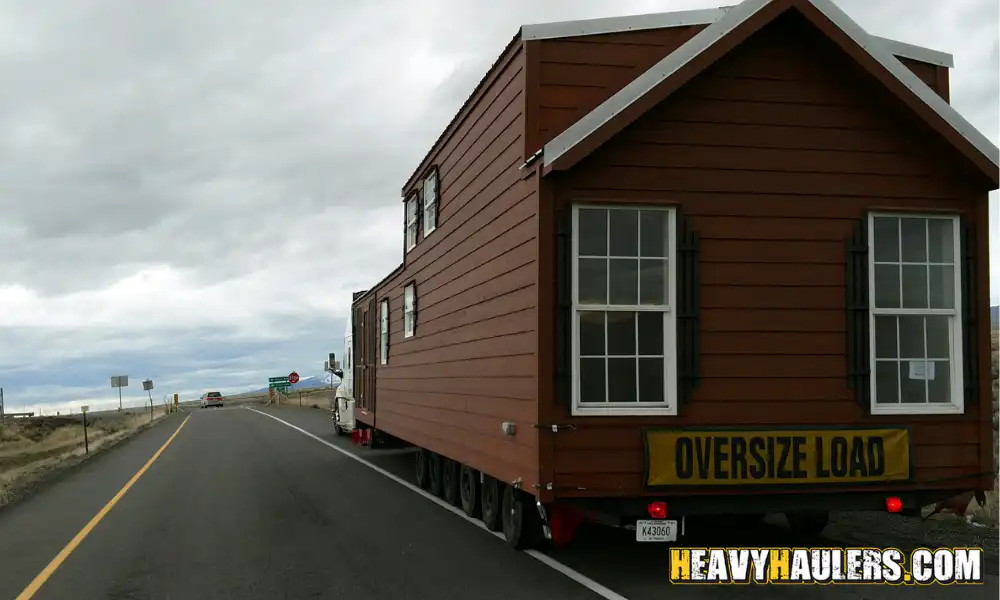
What Is A Truck Weigh Station And Why It's Important In Transport
Every driver has seen the signs for a truck weigh station. It is a checkpoint...
Read More
What Is A Pilot Car?
Moving big freight changes the rules of the road. Clearances shrink. Lanes tighten. Timetables push...
Read MorePopular Articles
2026 Equipment Hauling Pricing Guide
Our goal in this 2026 Equipment Hauling Pricing Guide is to give you a clear...
Read More
Crossing State Lines With An Oversize Load: What Changes The Moment You Enter A New State
Crossing state lines is where oversize load transport gets tricky fast. You need a plan...
Read More
What Is A Truck Weigh Station And Why It's Important In Transport
Every driver has seen the signs for a truck weigh station. It is a checkpoint...
Read More
What Is A Pilot Car?
Moving big freight changes the rules of the road. Clearances shrink. Lanes tighten. Timetables push...
Read More
What Are Logistics Services in Freight Transport?
Freight logistics is the planning and control of how equipment moves, from routing and permits...
Read More
What Are Shipping Services Companies?
Moving heavy or oversized freight takes more than a truck and a handshake. It takes...
Read MoreAdditional Resources
Explore expert insights on safe and efficient hauling.
Industry Knowledge Backed by Experts
With over a decade of experience, Heavy Haulers combines deep industry knowledge with up-to-date insights to help you plan, prepare, and execute equipment transport with confidence.
Evolving Industry Insights
Stay informed with regularly updated articles on transport trends, safety, and logistics.
Practical Planning Tools
Find clear guidance for choosing the right trailer, estimating costs, and streamlining your hauls.
Comprehensive Specs DataBase
Whether you’re comparing models, choosing the right trailer, or estimating shipping needs, you’ll find practical answers to keep your projects running smoothly.
Accurate Equipment Data
Simplified accurate specs and dimensions of all equipment models.
Right Equipment for the Job
Verifying specs ensures the equipment is the right fit for your project
HEAVYHAULERS.COM
START YOUR SHIPMENT TODAY!